AI Fashion Trends 2026: How Generative Style Assistants Are Transforming E-Commerce
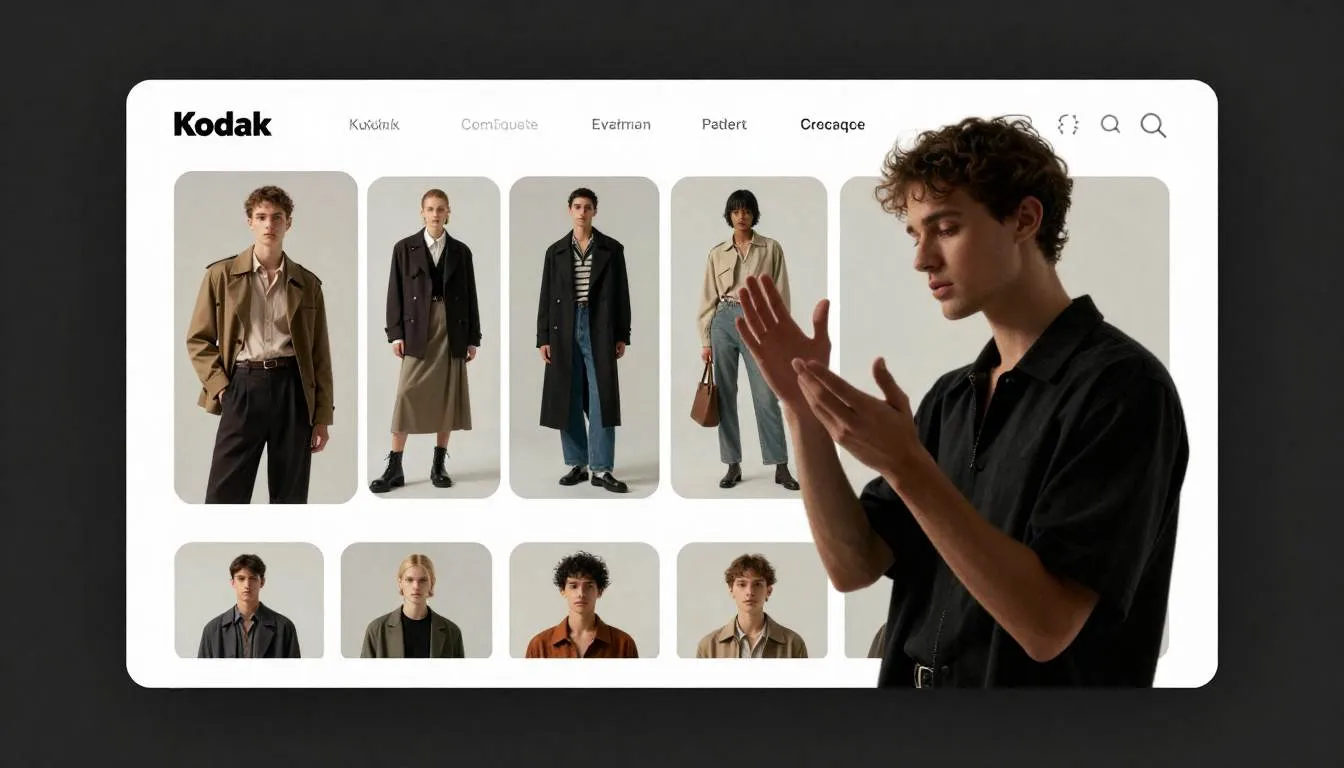
Beyond Recommendations—How AI “Sews” Your Digital Wardrobe
Why 2026 Is the Year Fashion E-Commerce Stops Guessing and Starts Dressing You
Why Does Online Shopping Still Feel So… Blind?
You know the feeling.
You like the jacket.
You think it’ll suit you.
You add it to cart anyway.
And when it arrives?
The color feels off.
The fit isn’t you.
The regret hits faster than the delivery.
For an industry obsessed with personalization, fashion e-commerce has been surprisingly impersonal.
But in 2026, that changes.
Because AI is no longer recommending clothes.
It’s styling you.
The Problem: Recommendation Engines Aren’t Enough Anymore
“People Also Bought” Is a 2015 Idea
For over a decade, fashion tech relied on:
- Collaborative filtering
- Purchase similarity graphs
- Static product recommendations
Useful? Yes.
Transformative? Not anymore.
These systems answer the wrong question.
They ask:
“What did people like you buy?”
Modern shoppers are asking:
“How will this look on me—right now?”
Why Founders and Marketers Are Struggling
Fashion brands face three painful realities:
-
High Return Rates
Fit, color, and style mismatch cost billions annually. -
Inventory Guesswork
Trends move faster than seasonal buying cycles. -
Low Emotional Confidence
Shoppers hesitate because they can’t visualize themselves.
If ignored, this leads to:
- Dead stock
- Discount-driven margins
- Slower growth despite traffic
The issue isn’t discovery.
It’s confidence at the moment of choice.
The Shift: From Recommendation to Representation
What Changed in 2026?
Three technologies matured at once:
- Generative AI (visual + text)
- Real-time inventory intelligence
- Identity-aware personalization
Together, they created something new:
The Generative Style Assistant.
Instead of saying what you might like,
AI now shows how it becomes yours.
What Is a Generative Style Assistant?
A Generative Style Assistant:
- Understands your body type, preferences, and context
- Generates visuals of you wearing items
- Builds outfits, not product lists
- Adjusts based on weather, events, and mood
Think of it as:
A digital stylist that never forgets your wardrobe.
This is the future of AI fashion trends.
Beyond Try-On: AI That “Sews” Your Digital Wardrobe
The Digital Wardrobe Concept
In 2026, leading platforms maintain a living wardrobe model:
- Past purchases
- Browsing behavior
- Fit feedback
- Color preferences
- Lifestyle signals
AI doesn’t treat items as isolated SKUs.
It treats them as:
Components in a personal style system.
How It Works (Simplified)
-
User Representation Model
Body shape, size range, skin tone, posture (privacy-safe). -
Garment Physics + Fabric Models
How cloth drapes, stretches, reflects light. -
Context Engine
Time, location, occasion, climate. -
Generative Visual Layer
Creates realistic previews—you wearing it.
This replaces imagination with evidence.
Case Study: Zara’s AI Trend-Engine
Zara’s Real Advantage Wasn’t Speed—It Was Feedback
Zara didn’t just shorten design cycles.
They shortened learning cycles.
Their AI Trend-Engine ingests:
- Social media trends
- In-store feedback
- Online browsing signals
- Regional sales velocity
Instead of planning six months ahead, they adjust weekly.
What Changed Operationally?
- Micro-batches replace massive inventory bets
- Designs evolve in near real time
- Poor performers are killed fast
- Winners are amplified instantly
This is real-time inventory optimization in action.
The Result
- Less unsold stock
- Faster response to trends
- Higher full-price sell-through
- Stronger alignment with what customers actually want
Zara didn’t predict fashion.
They listened faster than everyone else.
Why Visual AI Beats Discounts Every Time
The Psychology of Seeing Yourself
When users see themselves wearing an outfit:
- Confidence increases
- Cognitive dissonance drops
- Return anxiety decreases
This isn’t a UX improvement.
It’s a conversion accelerator.
Studies from retail UX research (McKinsey, Google Shopping Labs) consistently show:
Visualization increases purchase intent more than price cuts.
The New Fashion Funnel (2026 Edition)
Traditional funnel:
- Discover
- Browse
- Compare
- Buy
- Hope
Generative funnel:
- Visualize yourself
- Adjust style
- Confirm fit
- Buy confidently
One fewer step.
Much less doubt.
How E-Commerce Founders Can Implement This (Without Being Zara)
Step 1: Treat Style as Data, Not Taste
Capture:
- Outfit combinations users linger on
- Colors they abandon
- Fits they return
- Occasions they shop for
This fuels Generative Style Assistants.
Step 2: Connect Inventory to Intent
Static catalogs are dead.
Your inventory should:
- Surface items that work together
- Hide mismatched pieces
- Adapt regionally and seasonally
Platforms like SaaSNext (https://saasnext.in/) help teams:
- Orchestrate AI agents across marketing and inventory
- Align demand signals with supply decisions
- Reduce guesswork in personalization at scale
Step 3: Move From “Add to Cart” to “Style This”
Give users:
- Outfit generation
- Mix-and-match previews
- Event-based styling (“Wedding”, “Office”, “Weekend”)
You’re no longer selling products. You’re selling confidence.
Step 4: Close the Loop With Feedback AI
Post-purchase signals matter:
- Did they keep it?
- Did they reorder similar styles?
- Did they avoid certain fits next time?
This feedback trains:
- Trend engines
- Style agents
- Inventory decisions
This is how Zara stays ahead.
Where Retail Marketers Win Big
Generative fashion changes marketing economics.
Instead of:
- Shooting endless campaigns
- Guessing what resonates
AI generates:
- Personalized lookbooks
- Region-specific visuals
- Influencer-style previews using the user’s likeness
Campaigns feel custom—without manual production.
Strategic Integration: Marketing + Merchandising + AI
This is where many brands fail.
They isolate:
- Marketing tech
- Inventory systems
- UX personalization
Leaders unify them.
Using platforms like SaaSNext, brands:
- Deploy AI marketing agents
- Sync them with product data
- Run adaptive, style-aware campaigns
The result:
Less noise. More relevance.
Common Questions (AEO Optimized)
Is AI-generated fashion imagery accurate?
Yes—modern models simulate fabric physics and lighting convincingly.
Is this expensive to build?
Cheaper than returns, discounts, and dead inventory.
Will users trust AI visuals?
Trust increases when visuals align with real delivery—accuracy matters more than perfection.
Is this only for big brands?
No. Mid-market brands benefit most due to margin sensitivity.
Why This Is Bigger Than Fashion
This shift represents a broader truth:
People don’t want more choices.
They want better decisions.
Fashion just happens to show it most clearly.
External Perspectives Worth Reading
- McKinsey on AI in Fashion: https://www.mckinsey.com
- Google Shopping Labs on Virtual Try-Ons: https://blog.google
- SaaSNext on AI-driven personalization: https://saasnext.in/blog
The consensus is clear: Visualization beats persuasion.
The Future Doesn’t Recommend—It Reflects
In 2026, the best fashion platforms don’t ask:
“What should we show?”
They ask:
“Who is this customer right now?”
AI doesn’t replace style.
It removes uncertainty.
If your platform can:
- Show users themselves
- Respect their context
- Adapt instantly
You don’t need louder marketing.
You’ve already won the moment.
Explore how platforms like SaaSNext help brands operationalize AI-driven personalization—from trend detection to campaign execution.
Because in the future of fashion, the best mirror is digital.