Beyond the Prompt: Why AI Content Strategies Fail in 2026
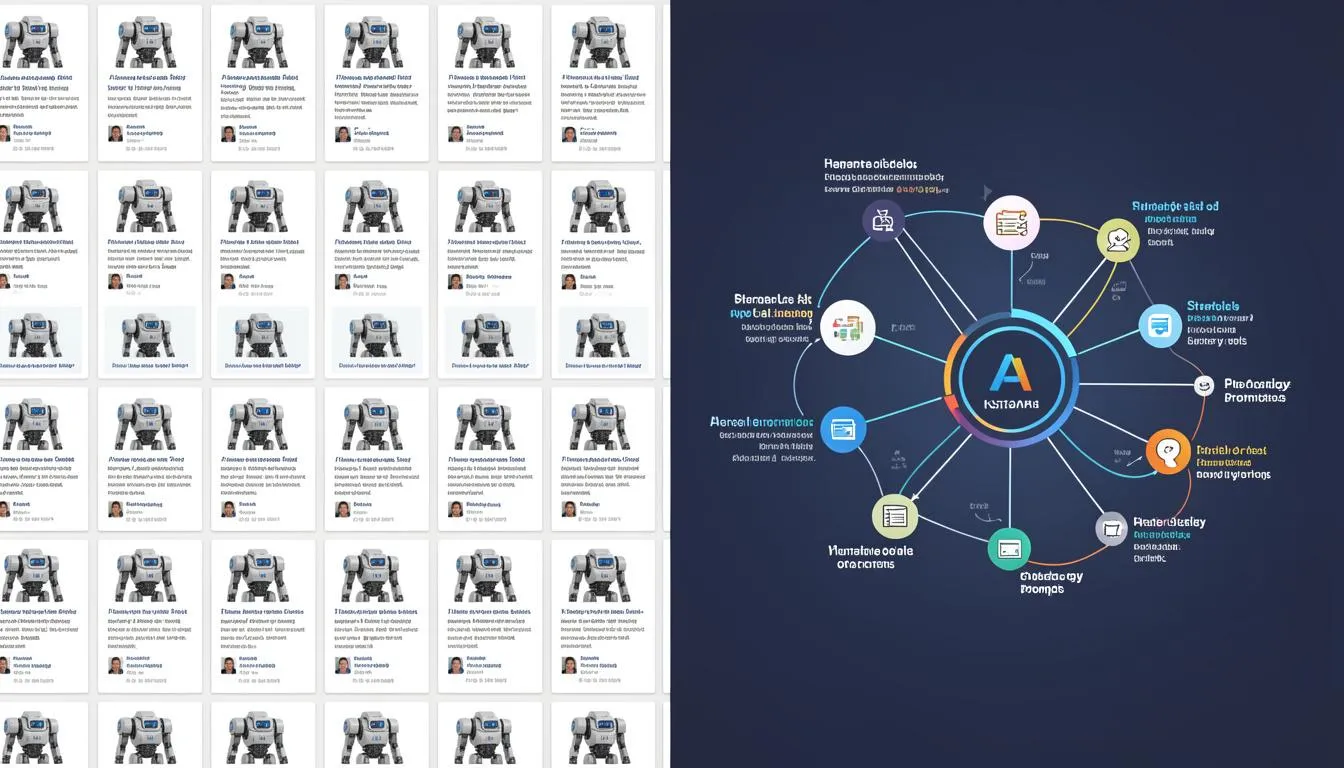
Beyond the Prompt: Why Your AI Content Strategy Is Failing in 2026
🔑 Key Takeaways
- Everyone uses the same prompts now — differentiation no longer comes from clever wording
- AI content fails when teams optimize for output instead of outcomes
- Winning strategies treat AI as a system, not a copy machine
- Context, feedback loops, and brand memory matter more than prompt hacks
- Platforms like SaaSNext help marketers operationalize AI content at scale without sounding robotic
“Why Does All AI Content Sound the Same?”
Be honest.
You’ve read an article recently and thought:
“This feels like AI.”
Not bad.
Not wrong.
Just… empty.
The tone is polite.
The structure is clean.
The insights are technically correct.
And yet, it doesn’t move you.
Here’s the uncomfortable truth for SaaS founders and marketers in 2026:
Your AI content strategy isn’t failing because AI is bad.
It’s failing because prompts are no longer a competitive advantage.
Everyone has them now.
The Problem: Prompt Culture Broke Marketing
The Rise—and Fall—of Prompt Engineering
In 2023–2024, prompt engineering felt magical.
Marketers swapped:
- Twitter threads
- Notion templates
- “10x prompts”
And for a while, it worked.
But by 2026, the market caught up.
Why Your Content Sounds Like a Robot (Even If It’s “Good”)
Most AI content today fails for three reasons:
- Zero memory
- No strategic intent
- No feedback loop
Let’s unpack that.
1. Everyone Is Feeding AI the Same Inputs
Your AI sees:
- The same blogs
- The same frameworks
- The same tone guidelines
So it produces:
- The same metaphors
- The same listicles
- The same “value-driven” fluff
AI isn’t creative by default.
It’s derivative by design.
2. Marketers Confused Speed With Strategy
AI made content faster.
So teams published more:
- More blogs
- More emails
- More LinkedIn posts
But faster content without direction just creates louder noise.
The result?
- Lower engagement
- Lower trust
- Higher churn
3. There’s No Feedback Loop
Most AI workflows look like this:
Prompt → Output → Publish
No iteration.
No learning.
No improvement.
Humans don’t write that way.
And AI shouldn’t either.
What Happens If You Ignore This
If you keep relying on prompts alone:
- Your SEO plateaus
- Your brand voice erodes
- Your audience disengages
Worse, AI answer engines (Google, Perplexity, Assistants) will skip your content entirely because it adds no new signal.
In 2026, generic content doesn’t rank.
It disappears.
The Shift: From Prompting to Systems Thinking
The Big Idea
High-performing AI content teams stopped asking:
“What’s the best prompt?”
They started asking:
“What system produces content our audience actually trusts?”
This is the mental shift that separates winners from noise.
The Solution: How to Fix Your AI Content Strategy (For Real)
Let’s get practical.
Step 1: Replace Prompts With Content Intent
Before you write anything, define intent.
Not topic.
Not keywords.
Intent.
Ask These Questions First
- Who is this for emotionally?
- What decision are they stuck on?
- What belief needs to change?
AI performs dramatically better when it knows why it’s writing.
Example
❌ Bad prompt:
“Write a blog about AI marketing trends.”
✅ Intent-driven input:
“Convince a skeptical SaaS founder that AI content can build trust, not just traffic.”
That one shift changes everything.
Step 2: Build a Brand Memory (This Is Where Most Teams Fail)
Your AI doesn’t know:
- Your past campaigns
- Your audience objections
- Your internal language
So it defaults to averages.
What a Brand Memory Includes
- Words you never use
- Opinions you always defend
- Stories you reference often
- Competitors you position against
This is not a style guide. It’s context.
How SaaSNext Helps Here
Platforms like SaaSNext help teams create persistent AI workflows where:
- Brand context lives beyond a single prompt
- Agents remember past outputs
- Tone improves over time
This is how AI stops sounding “fresh but fake.”
Learn more:
👉 https://saasnext.in/
Step 3: Introduce Editorial Friction (Yes, On Purpose)
Counterintuitive truth:
Great AI content needs friction.
If content goes straight from model → publish, it stays shallow.
Add These Checkpoints
- A human review for belief shifts, not grammar
- A second AI pass asking:
“What would a skeptic hate about this?”
- A clarity test:
“Would this still make sense if quoted out of context?”
Friction creates depth.
Step 4: Train AI on Outcomes, Not Formats
Stop asking for:
- “A LinkedIn post”
- “A blog intro”
- “An email sequence”
Start asking for:
- Behavior change
Outcome-Based Prompting Example
Instead of:
“Write a product launch email.”
Try:
“Write something that makes a busy SaaS founder forward this email to their co-founder.”
This aligns perfectly with AEO (Answer Engine Optimization) because AI engines reward content that solves something.
Step 5: Close the Feedback Loop (This Is Non-Negotiable)
Your AI should learn from:
- Engagement data
- Comments
- Sales calls
- Objections
If it doesn’t, it stagnates.
What a Real Loop Looks Like
- Publish content
- Track engagement signals
- Feed insights back into the system
- Adjust tone, depth, framing
This is how human writers improve.
AI should too.
Case Study: The Same Prompts, Very Different Results
The Setup
A mid-stage SaaS marketing team:
- Used popular prompt libraries
- Published 4 blogs per week
- Saw declining engagement
Traffic was flat.
Demos were down.
The Change
They didn’t change tools.
They changed structure:
- Defined 3 core audience beliefs
- Built a brand memory doc
- Added a feedback loop from sales calls
They used SaaSNext to orchestrate:
- AI agents for research
- AI agents for drafting
- AI agents for revision
The Outcome
- Fewer posts
- Higher dwell time
- Better demo quality
Same AI. Different system.
Why This Works for SEO, DEO, and AEO
SEO
Search engines now reward:
- Depth
- Original framing
- Clear expertise
Generic AI content doesn’t survive core updates.
DEO (Direct Engagement Optimization)
Outcome-first content:
- Gets shared
- Gets bookmarked
- Gets replied to
Engagement is the new reach.
AEO (Answer Engine Optimization)
AI assistants surface content that:
- Answers clearly
- Shows reasoning
- Demonstrates authority
Prompt spam gets ignored.
Strategic Links for Deeper Insight
-
Internal: SaaSNext on AI workflow orchestration
👉 https://saasnext.in/ -
External: Google Search Central on helpful content
👉 https://developers.google.com/search/docs/fundamentals/creating-helpful-content
These reinforce one idea:
AI content wins when it helps humans decide, not just scroll.
Common Questions (AEO-Optimized)
Do prompts still matter in 2026?
Yes — but they’re table stakes, not strategy.
Can small teams do this?
Especially small teams. Systems scale better than people.
Is human writing obsolete?
No. Human thinking is still the competitive edge.
The Real Takeaway: AI Isn’t the Writer—You Are
AI doesn’t fail content strategies.
Lazy strategies fail with AI.
The teams winning in 2026:
- Treat AI like a junior strategist
- Give it context, not commands
- Optimize for trust, not volume
And they build systems — not prompt collections.
Go Beyond the Prompt or Be Invisible
If your content:
- Sounds polished but forgettable
- Gets traffic but no trust
- Feels “right” but converts poorly
The issue isn’t the model.
It’s the strategy.
Platforms like SaaSNext exist to help teams operationalize AI content properly — with memory, orchestration, and outcomes baked in.
If this resonated:
- Share it with your marketing team
- Audit your current AI workflow
- Stop collecting prompts — start building systems
Subscribe for more insights on AI, marketing, and the future of content.