Outcome-First Shift: Why 2026 Ends the Coding Gatekeeper
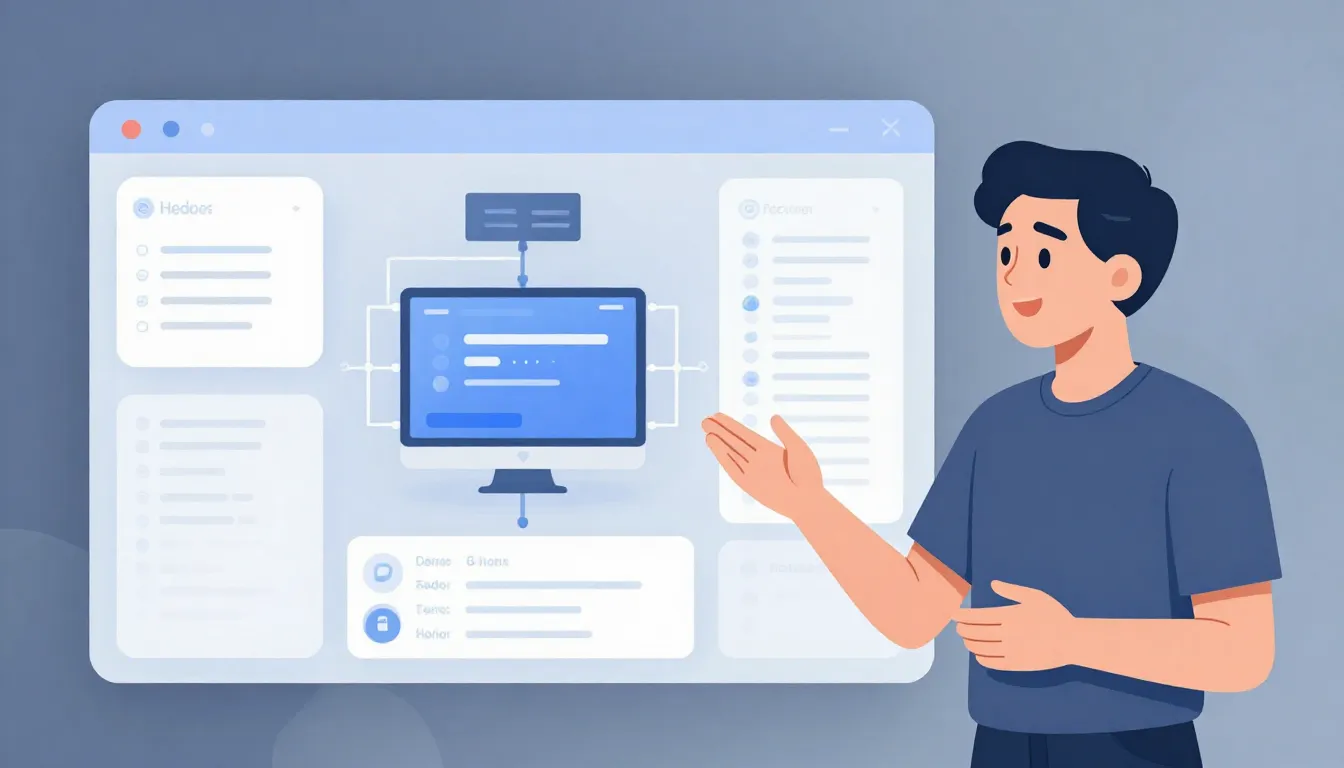
The “Outcome-First” Shift: Why 2026 Is the End of the Coding Gatekeeper
🔑 Key Takeaways
- Coding is no longer the bottleneck — outcomes are
- 2026 marks the shift from syntax thinking to system thinking
- AI outcome building replaces traditional no-code vs AI coding debates
- Tools like Base 44 let non-technical founders ship real products in minutes
- The real unlock isn’t writing code — it’s eliminating “glue work”
- Platforms that think in results will win over platforms that think in components
- SaaSNext is helping teams operationalize outcome-first AI workflows
When Did “Building Software” Become About Writing Code?
Let’s start with an uncomfortable truth.
Most founders don’t actually want to build software.
They want:
- A product live
- Users onboarded
- Payments flowing
- A system that works
Yet for decades, the industry forced everyone through the same narrow gate: code first, outcome later.
If you didn’t speak React, SQL, or APIs fluently, you waited. Or paid. Or compromised.
That gate is collapsing.
And 2026 is the year it finally falls.
The Problem: We Confused “Building” With “Typing”
The Hidden Tax of Syntax Thinking
Traditional software development is obsessed with how:
- Which framework?
- Which language?
- Which stack?
- Which components?
For non-technical founders and product managers, this creates a brutal mismatch:
- You think in business results
- The tools demand syntax precision
The result?
- Endless back-and-forth
- Bloated timelines
- 5-hour “stitching” sessions just to connect auth, database, and UI
And worst of all — momentum dies.
No-Code Didn’t Fix This (It Just Moved the Gate)
No-code promised freedom. In reality, it:
- Replaced code with configuration
- Replaced syntax with platform-specific logic
- Created new gatekeepers
You still had to:
- Understand data models
- Manually wire integrations
- Debug brittle workflows
So founders asked a better question:
“Why am I still assembling pieces when I just want a working system?”
The Shift: From Syntax Thinking to System Thinking
This is the heart of the Outcome-First movement.
Instead of prompting:
“Build me a React component for user login…”
You prompt:
“I need a CMS with authentication, roles, and a database — live.”
The difference is subtle. And revolutionary.
Case Study: Base 44 and the Death of the 5-Hour Build
Let’s make this real.
In a widely shared Base 44 demo, a full CMS was:
- Described in plain English
- Generated with auth + database
- Deployed live on the internet
- In minutes
No:
- Framework selection
- API stitching
- Infra setup
This is why IBase 44 review conversations keep popping up everywhere.
Because Base 44 didn’t just speed up coding. It eliminated the glue work entirely.
What Is “Glue Work” (And Why It’s the Real Enemy)
Glue work is everything that isn’t your idea:
- Wiring auth to the DB
- Connecting UI to APIs
- Handling edge cases
- Making things deployable
It’s not innovation. It’s friction.
AI outcome building tools remove glue work by:
- Understanding intent
- Managing dependencies
- Owning the full system lifecycle
That’s why the Future of software development in 2026 looks nothing like 2016.
No-Code vs AI Coding Is the Wrong Debate
Here’s the truth most blogs miss:
This isn’t:
- No-code vs AI coding
It’s:
- Outcome-first systems vs component-first tools
No-code still asks how. AI coding still asks how. Outcome-first tools ask why.
And then they handle the how for you.
Base 44 vs Cursor: A Useful Comparison
Let’s clarify the confusion around Base 44 vs Cursor.
Cursor
- Incredible for developers
- Still code-centric
- Optimizes writing code faster
Base 44
- Optimizes not needing to think about code
- Focuses on complete systems
- Designed for non-technical builders
If you’re a founder who cares about shipping outcomes, the difference is night and day.
How Outcome-First Building Actually Works
Step 1: Describe the Business Result
Not features. Not components.
Examples:
- “A marketplace with seller dashboards and payouts”
- “An internal CMS with roles and approvals”
- “A SaaS landing page with auth and subscriptions”
This is where most tools used to fail. Outcome-first tools start here.
Step 2: Let the System Handle Architecture
Outcome-first platforms:
- Choose frameworks
- Design schemas
- Set up auth
- Handle deployments
This is where traditional dev burned time.
Now? It’s automated.
Step 3: Iterate at the System Level
You don’t tweak CSS classes. You say:
- “Add admin approval before publish”
- “Restrict access by role”
- “Log activity for audits”
That’s system thinking.
Why This Matters for Non-Technical Founders
For the first time:
- Vision is the bottleneck, not skill
- Speed is limited by clarity, not capacity
- Founders regain agency
This is why the coding gatekeeper era is ending.
Not because developers are obsolete. But because translation layers are disappearing.
The Role of Product Managers in an Outcome-First World
PMs become:
- System designers
- Outcome translators
- Feedback loop owners
Instead of writing tickets like:
“Build component X”
They define:
“Enable outcome Y for user Z”
This aligns perfectly with modern AI systems.
Where SaaSNext Fits Into This Shift
As teams adopt outcome-first building, a new challenge appears: operationalizing AI systems responsibly.
This is where SaaSNext plays a key role.
SaaSNext helps teams:
- Orchestrate AI agents
- Manage automation workflows
- Maintain governance and observability
Especially as products move from prototypes to real businesses.
You can explore their thinking here: 👉 https://saasnext.in/
The Bigger Trend: AI Outcome Building Everywhere
We’re seeing this pattern across:
- Marketing tools
- Internal ops
- Customer support
- Analytics
Teams no longer buy software to use. They use AI to generate software on demand.
This is the quiet end of:
- $50/month niche SaaS subscriptions
- Over-configured dashboards
- Tool sprawl
Risks and Real Talk (Because This Isn’t Magic)
Outcome-first tools aren’t perfect.
They require:
- Clear intent
- Good prompts
- Responsible governance
Blind trust is dangerous. That’s why platforms like SaaSNext are increasingly important — they help teams:
- Monitor AI behavior
- Set boundaries
- Avoid silent failures
Outcome-first doesn’t mean oversight-free.
Common Questions (AEO-Optimized)
Is AI outcome building replacing developers?
No. It’s replacing unnecessary translation and glue work.
Is no-code dead?
Not dead — but evolving into AI-native, outcome-first systems.
Can non-technical founders really ship production apps?
Yes. With the right tools, they already are.
The End of the Coding Gatekeeper
The gatekeeper was never “developers”.
It was:
- Complexity
- Fragmentation
- Tool-centric thinking
Outcome-first systems remove those barriers.
By 2026, the question won’t be:
“Can you code?”
It’ll be:
“Can you define the right outcome?”
Stop Prompting for Code. Start Prompting for Results.
The biggest shift in software isn’t technical.
It’s psychological.
When founders stop thinking in syntax and start thinking in systems:
- Products ship faster
- Ideas survive longer
- Innovation broadens
The coding gatekeeper era is ending. Not with a bang. But with a better question.
If this changed how you think about building:
- 👉 Share it with a founder who’s stuck waiting on dev cycles
- 👉 Subscribe for more deep dives on AI-native product building
- 👉 Explore how SaaSNext helps teams operationalize outcome-first AI systems
Because the future doesn’t belong to those who write the most code — it belongs to those who define the clearest outcomes.