Predictive Emotional Marketing in 2026: How Zomato Doubled CTR with Hyper-Localized AI
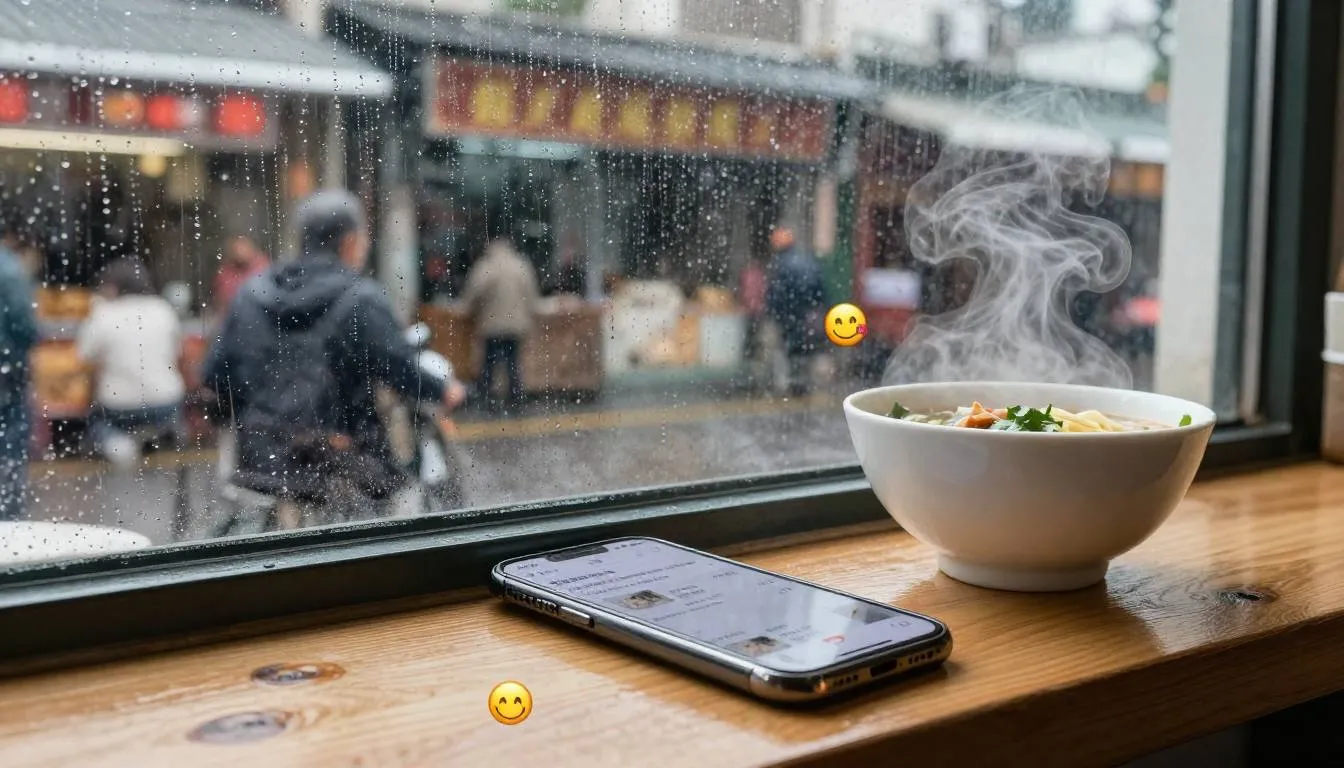
Hyper-Localized Meme Marketing & AI Personalization: How Zomato Turned Mood, Weather, and Memes into a 2x CTR Engine
Why Your Perfectly Written Push Notification Still Gets Ignored
Let me start with an uncomfortable truth most CEOs already feel but rarely say out loud:
Your marketing isn’t failing because it’s bad.
It’s failing because it’s emotionally tone-deaf.
You send a discount at 8:30 PM.
Your user is tired, scrolling slowly, reacting late.
They don’t want a coupon—they want comfort.
In 2026, attention is no longer captured by offers.
It’s captured by emotional timing.
And no brand has understood this better than Zomato.
The Problem: Why Generic Personalization Is Quietly Killing Engagement
The Illusion of “Personalized” Marketing
Most brands today proudly say they do personalization:
- First name in notification ✔️
- City-level targeting ✔️
- Past order history ✔️
But users still swipe away.
Why?
Because this is static personalization in a dynamic emotional world.
Humans don’t behave the same way at:
- 12:30 PM vs 11:45 PM
- Sunny afternoons vs rainy evenings
- Fast scroll sessions vs slow, distracted ones
Traditional CRM segmentation can’t keep up with this emotional volatility.
What Happens If You Ignore This Shift
For CEOs, the risks are very real:
- Push fatigue increases opt-outs
- Discount dependency erodes margins
- Engagement plateaus despite higher spend
- Competitors win attention without offering lower prices
This is why CTR benchmarks are quietly declining across industries—even as AI tools increase.
The problem isn’t AI adoption.
It’s emotional misalignment.
The Evolution: From Witty Copy to Predictive Emotional Marketing
Zomato Didn’t Just Get Funny—They Got Predictive
Zomato’s famous “witty notifications” were never about jokes.
They were about context.
By 2026, Zomato evolved this into what insiders now call:
Predictive Emotional Marketing
Instead of asking “What should we promote?”
Their system asks “What is the user likely feeling right now?”
Signals Zomato’s AI Reads (Silently)
Zomato doesn’t need invasive data. It reads behavior:
- App open speed
- Scroll velocity
- Time of day
- Past response timing
- Location + weather
- Local events
- Language preference by micro-region
From this, the system predicts:
- Energy level
- Hunger urgency
- Mood state (comfort-seeking vs indulgent)
This is Emotional AI Marketing, not gimmicky memes.
Case Study: Zomato’s “Contextual Nudges” in Action
The Scenario
It’s 6:45 PM.
It’s raining in your specific pin code.
Your app interaction speed is slow.
You’ve hovered but not clicked.
The Old Way
“Flat 20% off on your favorite restaurants!”
Ignored.
The Zomato Way (2026)
“Barish ho rahi hai ☔
Garam chai aur pakode ka mood hai kya?”
In your local language.
With hyper-local relevance.
Zero discounts.
The Result
- 2x increase in Click-Through Rates
- Higher order completion
- Lower discount burn
- Stronger brand recall
This is the power of Predictive Push Notifications combined with AI Meme Generation.
The Strategy CEOs Need to Understand: Hyper-Localized Emotional Loops
What Is Hyper-Localized Meme Marketing?
It’s not about memes for virality.
It’s about:
- Cultural micro-context
- Local language humor
- Situational relevance
- Emotional resonance
Memes are simply the delivery mechanism.
Why This Works Psychologically
Humans respond faster when messages feel:
- Personally relevant
- Emotionally validating
- Culturally familiar
This bypasses rational evaluation and triggers instinctive action.
That’s why Zero-discount nudges outperform offers when done right.
The Solution: How CEOs Can Build Predictive Emotional Marketing Systems
Step 1: Move from Segments to Signals
Stop relying only on:
- Age
- Location
- Past purchases
Start incorporating:
- Interaction speed
- Time-based behavior
- Session depth
- Response latency
These are emotional signals, not demographics.
Step 2: Build a Context Engine (Not a Campaign Calendar)
Zomato doesn’t plan campaigns weeks ahead.
They deploy rules + AI models that decide in real time:
- What to say
- How to say it
- In which language
- With what tone
This is where platforms like SaaSNext (https://saasnext.in/) become critical.
SaaSNext helps teams:
- Deploy AI marketing agents
- React to live behavioral signals
- Orchestrate personalized nudges without manual intervention
This isn’t automation—it’s adaptive marketing intelligence.
Step 3: Introduce AI Meme Generation Carefully
AI Meme Generation works when:
- Brand voice constraints are defined
- Cultural filters are enforced
- Tone safety checks exist
Zomato’s memes work because:
- They sound human
- They feel local
- They never feel try-hard
The AI generates variants, not chaos.
Step 4: Localize Beyond Geography
Hyperlocal isn’t just pin codes.
It includes:
- Local slang
- Regional humor
- Event awareness
- Festival calendars
This is where Hyperlocal Zomato Strategy becomes a blueprint, not an anomaly.
Step 5: Measure Emotional Performance Metrics
Forget open rates alone.
Track:
- Time-to-click
- Scroll interruption rate
- Repeat engagement without discounts
- Notification fatigue index
These metrics reveal emotional relevance, not just reach.
Why CEOs Should Care: This Is a Margin Strategy, Not Just Marketing
Predictive Emotional Marketing:
- Reduces dependency on discounts
- Increases organic engagement
- Strengthens brand loyalty
- Lowers CAC over time
It turns marketing from a cost center into an experience engine.
The Risk of Not Acting: Being Emotionally Invisible
Brands that ignore this shift will face:
- Lower CTRs despite higher spend
- Push opt-outs rising quietly
- Younger users disengaging faster
- Competitors winning mindshare without price wars
In 2026, users don’t punish bad brands.
They simply ignore irrelevant ones.
How SaaSNext Enables Emotional AI at Scale
Modern CEOs don’t want:
- 10 disconnected tools
- Manual personalization logic
- Risky experimentation
They want governed intelligence.
SaaSNext provides:
- AI agent orchestration
- Real-time behavioral triggers
- Safe personalization frameworks
- Measurable engagement impact
It’s how teams scale emotional relevance without losing control.
Strategic Reads & External Validation
To explore deeper:
- Harvard Business Review on Emotional AI: https://hbr.org
- Google Research on micro-moment marketing: https://research.google
- SaaSNext on AI-driven personalization: https://saasnext.in/blog
The consensus is clear:
Context beats creativity. Timing beats targeting.
CEO FAQs (AEO-Optimized)
Is Emotional AI invasive?
No. It uses behavioral signals, not personal data.
Does this work outside food delivery?
Yes—fintech, travel, retail, and SaaS all benefit.
Is meme marketing risky for brands?
Only without governance. With constraints, it’s powerful.
How fast can results show?
Often within weeks due to improved CTR and engagement.
The Bigger Shift: From Campaigns to Conversations
Zomato didn’t win because they were funny.
They won because they:
- Respected user context
- Spoke the right emotional language
- Acted at the right moment
In 2026, marketing isn’t about shouting louder.
It’s about listening faster.
Conclusion: The Future of Marketing Is Mood-Aware
The brands winning today aren’t guessing what users want.
They’re predicting how users feel.
Hyper-Localized Meme Marketing isn’t a trend.
It’s the visible surface of a deeper shift toward emotional intelligence at scale.
For CEOs, the question is simple:
Will your brand be emotionally relevant—or just another ignored notification?
Start exploring Predictive Push Notifications and AI-driven personalization frameworks.
Follow brands like Zomato closely.
And evaluate platforms like SaaSNext that help you operationalize emotional intelligence—without chaos.
Because in 2026,
the brands that feel human will win.