Short-form vs Long-form Content: The 2026 Multi-Channel Blueprint
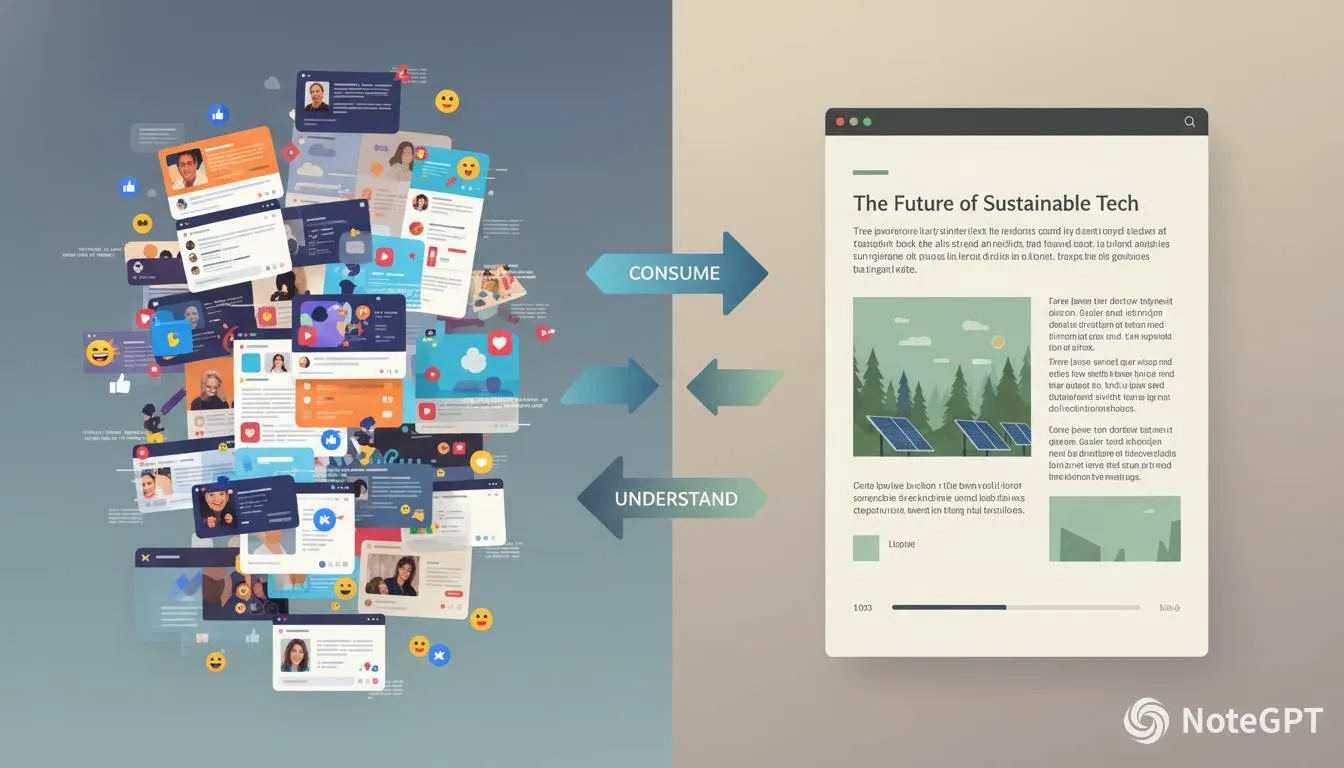
Short-form for Views, Long-form for Trust: The 2026 Multi-Channel Blueprint
🔑 Key Takeaways
- Short-form content wins attention, not trust
- Long-form content builds authority, credibility, and conversions
- In 2026, winning brands design one system, not disconnected channels
- AI helps scale content, but strategy decides what actually compounds
- SaaS founders who align short-form and long-form see lower CAC and higher LTV
You’re Getting Views… So Why Isn’t Revenue Moving?
Your short-form videos are doing numbers.
Likes are up.
Impressions look healthy.
The algorithm seems friendly this week.
And yet — pipeline feels soft.
Sound familiar?
Here’s the uncomfortable reality SaaS founders and marketers are running into in 2026:
Attention is cheap. Trust is expensive. And confusing the two is killing growth.
Short-form content gets you seen.
But long-form content is what gets you believed.
The brands winning right now aren’t choosing one. They’re designing a system where both work together.
The Problem: The “More Content” Trap
Why Modern Marketing Feels Busy but Ineffective
Most SaaS teams aren’t short on content. They’re short on alignment.
Here’s what’s happening behind the scenes:
- Social teams chase trends and views
- SEO teams write long blogs no one promotes
- Founders post on LinkedIn without a clear funnel
Each channel works in isolation. The result? Fragmented impact.
The Hidden Cost of Misalignment
When short-form and long-form aren’t connected:
- Views don’t convert into leads
- Trust doesn’t compound over time
- AI-generated content starts sounding the same
Worst of all, you end up optimizing for metrics that don’t move revenue.
If you ignore this, 2026 becomes louder — not more profitable.
The Core Insight: Short-form Is the Door, Long-form Is the Room
Let’s simplify this.
- Short-form content = discovery
- Long-form content = decision-making
People don’t buy SaaS products from a 30-second clip. But they do discover brands there.
The mistake isn’t using short-form. The mistake is stopping there.
The 2026 Multi-Channel Blueprint (Step by Step)
Step 1: Assign Each Format a Job
Stop expecting every piece of content to do everything.
Short-form content should:
- Spark curiosity
- Name a problem
- Create familiarity
Long-form content should:
- Explain the problem deeply
- Show expertise
- Reduce buyer anxiety
This clarity alone fixes half of most content strategies.
Step 2: Design Long-Form First (Yes, First)
This feels backwards to many teams, but it works.
Start with:
- A deep blog
- A detailed guide
- A strong POV piece
Then atomize it into:
- Shorts
- Carousels
- Threads
- Clips
This ensures every short-form post points back to real substance.
Why This Works
Long-form content:
- Ranks in search
- Feeds AI answer engines
- Becomes your source of truth
Short-form then becomes distribution, not improvisation.
This is how trust compounds.
Step 3: Build Trust for Humans and AI
In 2026, your audience isn’t just people. It’s also AI systems summarizing, recommending, and ranking you.
Long-form content helps by:
- Answering clear questions
- Using explicit language
- Demonstrating real expertise
This improves SEO, AEO, and conversion — at the same time.
Platforms like SaaSNext help teams operationalize this by connecting AI insights, content performance, and audience behavior into one system instead of scattered tools.
Learn more here:
👉 https://saasnext.in/
Step 4: Use Short-Form to Pre-Sell the Idea
The best short-form content doesn’t explain everything.
It:
- Frames a pain point
- Challenges an assumption
- Teases a deeper answer
Example:
“If your content gets views but no demos, your strategy is broken — not your hooks.”
The solution lives in long-form. The short-form just earns the click.
Step 5: Measure the Right Metrics
Views are not the enemy. But they’re not the goal.
Track:
- Assisted conversions
- Time to trust (how many touches before conversion)
- Content-influenced pipeline
This is where founders see the real ROI of long-form.
Mini Case Insight: From Viral to Valuable
A mid-stage SaaS brand was posting daily short-form content. Strong engagement. Weak revenue impact.
They shifted strategy:
- One in-depth blog per week
- Five short-form pieces derived from it
- Clear internal links and CTAs
Within months:
- Sales conversations referenced blog content
- Demos were warmer
- Brand authority increased
Same effort. Better structure.
Where AI Fits (And Where It Doesn’t)
AI is incredible at:
- Repurposing content
- Scaling distribution
- Testing formats
AI struggles with:
- Original insight
- Strong POVs
- Trust-building nuance
The winning approach isn’t “AI writes everything.” It’s AI amplifies what matters.
This is where tools and platforms — including SaaSNext — help teams deploy AI agents responsibly, without losing voice, clarity, or strategic intent.
Strategic Reading (Optional but Useful)
-
Internal: SaaSNext blog on AI-driven content systems
👉 https://saasnext.in/blog -
External: HubSpot research on content trust and buyer behavior
👉 https://blog.hubspot.com/marketing/content-marketing-statistics
These reinforce the same point: Trust compounds. Virality fades.
Common Questions (AEO-Friendly)
Do we still need long blogs in 2026?
Yes — but only if they’re opinionated, clear, and useful.
Can short-form alone work?
For awareness, yes.
For conversion and brand equity, no.
How long should long-form be?
Long enough to answer the real question. Short enough to stay human.
Attention Starts the Conversation. Trust Closes It.
Short-form content opens the door. Long-form content invites people to stay.
In 2026, the brands that win aren’t louder. They’re clearer, deeper, and more intentional.
Design one system. Let each format do its job. And let trust — not trends — drive growth.
If this blueprint helped:
- Share it with your marketing team
- Subscribe for more AI + content strategy insights
- Or audit your current content system this week
Because views don’t build businesses. Trust does.