Vibe Coding & the 10-Minute SaaS: Why Backlogs Are Dead in 2026
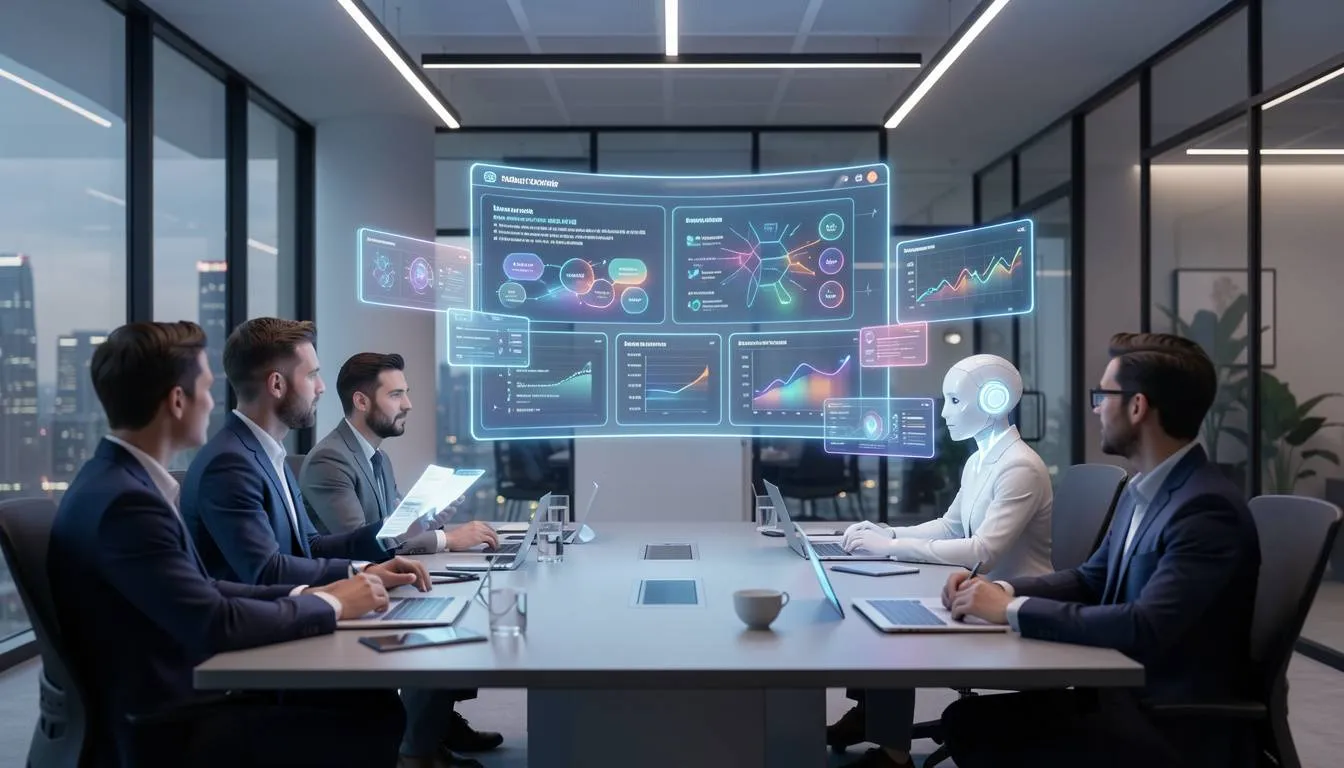
“Vibe Coding” & the 10-Minute SaaS: The End of the Backlog
In 2026, we don’t plan software. We summon it.
🔑 Key Takeaways
- The traditional developer backlog is collapsing under AI speed
- “Vibe Coding” turns software creation into a meeting-time activity, not a sprint cycle
- Non-technical managers can now create disposable, just-in-time internal tools
- Tools like Base44 and Inforce (AI Supabase) remove database, auth, and hosting friction
- The winning teams stop thinking about code and start thinking about outcomes
- CFOs save money not by cutting devs — but by killing unnecessary permanence
Why Are You Still Waiting Three Sprints for a Tool You’ll Use Once?
Be honest.
How many internal tools does your company:
- Wait weeks to build
- Argue about in planning
- Barely use
- Then quietly abandon
Expense trackers. Campaign dashboards. One-off ops panels.
They pile up in Jira like fossils of good intentions.
Here’s the uncomfortable question for 2026:
Why does software still take longer to approve than to outgrow?
Because the backlog — the very idea of it — is obsolete.
The Problem: The Backlog Was Built for a Slower World
Backlogs Made Sense When Code Was Scarce
Backlogs assumed:
- Developers were the bottleneck
- Code was expensive
- Software needed to last for years
So we planned everything.
Documented everything.
Delayed everything.
That world is gone.
Why Backlogs Fail Modern Teams
Today’s reality:
- AI writes usable code instantly
- Business needs change weekly
- Half of internal tools are temporary
Yet teams still:
- File tickets
- Wait for prioritization
- Argue over scope
By the time the tool ships, the problem has moved on.
The CFO’s Silent Pain
From a finance lens, backlogs create:
- Capitalized costs for throwaway software
- Bloated engineering overhead
- Hidden opportunity loss
You’re not paying for code.
You’re paying for latency.
Enter “Vibe Coding”: Software by Intent, Not Instruction
What Is Vibe Coding?
Vibe Coding is the practice of:
- Describing outcomes instead of features
- Letting agentic IDEs generate the app
- Treating software as disposable infrastructure
You don’t “build” an app.
You manifest it.
From Meme to Business Standard
What started as a developer joke became inevitable.
In 2026:
- Managers prototype tools themselves
- Apps are spun up in meetings
- Deletion is part of the lifecycle
If it doesn’t survive the week, that’s fine.
It did its job.
The 10-Minute SaaS Explained
What Is a “10-Minute SaaS”?
A 10-Minute SaaS is:
- Created on demand
- Solves a single, narrow problem
- Lives briefly
- Costs almost nothing
Examples:
- A campaign ROI tracker for one launch
- A hiring pipeline for one role
- A vendor comparison dashboard
No roadmap.
No maintenance plan.
No guilt when deleting it.
Why This Works Psychologically
When permanence disappears:
- Decision-making accelerates
- Scope shrinks naturally
- Teams experiment freely
You don’t over-design something you expect to delete.
That’s the point.
The Tools Making This Possible
1. Base44: Frontend Without the Ceremony
Base44 lets teams:
- Describe interfaces in plain language
- Auto-generate UI logic
- Skip boilerplate entirely
It’s not about pixel perfection.
It’s about getting to usable.
2. Inforce: The “AI Supabase” Layer
Inforce handles:
- Databases
- Auth
- Hosting
- APIs
Without setup rituals.
You describe the data.
The system exists.
This is critical for non-technical creators — no schema anxiety required.
The Shift: Stop Thinking About Coding, Start Thinking About Outcomes
Old Question vs New Question
Old:
“How long will this take to build?”
New:
“What decision should this tool help us make?”
That’s Vibe Coding in one sentence.
Outcome-First Thinking in Practice
Instead of:
- “We need a dashboard”
Ask:
- “What question are we answering this week?”
The app becomes a means, not a project.
Case Study: The Monday Morning Tool That Saved a Quarter
Case Study: A Growth Team That Stopped Waiting
A Series A startup struggled with:
- Weekly marketing experiments
- Slow reporting
- Constant dashboard requests
Their solution?
During Monday standup:
- The growth lead described the metrics needed
- An agentic IDE generated the tool
- Data auto-connected via Inforce
- The tool lived for 9 days
Results:
- Faster experiment cycles
- Zero dev tickets
- No long-term maintenance
When the experiment ended, so did the app.
Why CFOs Should Care (Deeply)
Disposable Software = Predictable Costs
Permanent software:
- Accumulates maintenance debt
- Requires long-term staffing
Disposable tools:
- Are expensed, not capitalized
- Don’t linger on the balance sheet
You pay for outcomes, not obligations.
Engineering Teams Stop Being Gatekeepers
Developers shift from:
- Ticket fulfillment
- To platform enablement
They build guardrails, not dashboards.
This is healthier — and cheaper.
Where SaaSNext Fits Into This New Reality
Here’s the missing layer most teams overlook.
Creating tools is easy.
Orchestrating them is not.
SaaSNext helps teams:
- Coordinate AI agents
- Standardize workflows
- Maintain governance without friction
Instead of chaos, you get controlled speed.
Learn more here:
👉 https://saasnext.in/
Strategic Links for Deeper Reading
-
Internal: SaaSNext on AI workflow orchestration
👉 https://saasnext.in/ -
External: Andreessen Horowitz on AI-native software development
👉 https://a16z.com
These reinforce a clear shift: software is becoming situational, not permanent.
Common Objections (And Why They’re Fading)
“What About Security?”
Modern agentic platforms bake in:
- Permissions
- Sandboxing
- Auto-expiry
Risk decreases when tools don’t live forever.
“Won’t This Create Tool Sprawl?”
Ironically, no.
Because:
- Creation is easy
- Deletion is normal
Backlogs create sprawl.
Vibe Coding clears it.
“Is This Just Low-Code Again?”
No.
Low-code tried to replace developers.
Vibe Coding replaces waiting.
Big difference.
Indie Hackers: This Is Your Superpower
For solo builders:
- No backlog
- No overthinking
- No sunk-cost guilt
You ship, learn, delete, repeat.
Speed becomes your moat.
The Bigger Picture: Software as Conversation
In 2026, software is no longer:
- A long-term asset
- A sacred artifact
It’s a conversation with a problem.
When the conversation ends, so does the tool.
Conclusion: The Backlog Is Dead — and That’s a Good Thing
The backlog belonged to an era of scarcity.
We now live in abundance:
- Of code
- Of tools
- Of possibilities
The constraint is no longer engineering.
It’s clarity.
Teams that win will:
- Vibe first
- Build second
- Delete without regret
And if you want to scale this mindset without losing control, platforms like SaaSNext help teams adopt agentic, outcome-first workflows without chaos.
Because the future of software isn’t written.
It’s summoned.
If this resonated:
- Share it with your product or ops lead
- Try creating one disposable tool this week
- Subscribe for more on AI-native work
And if you’re ready to operationalize Vibe Coding at scale, explore how SaaSNext helps teams turn AI speed into structured advantage.