Kawaii-Hacker Aesthetic: Using AI Design Tools for Unique Visual Storytelling
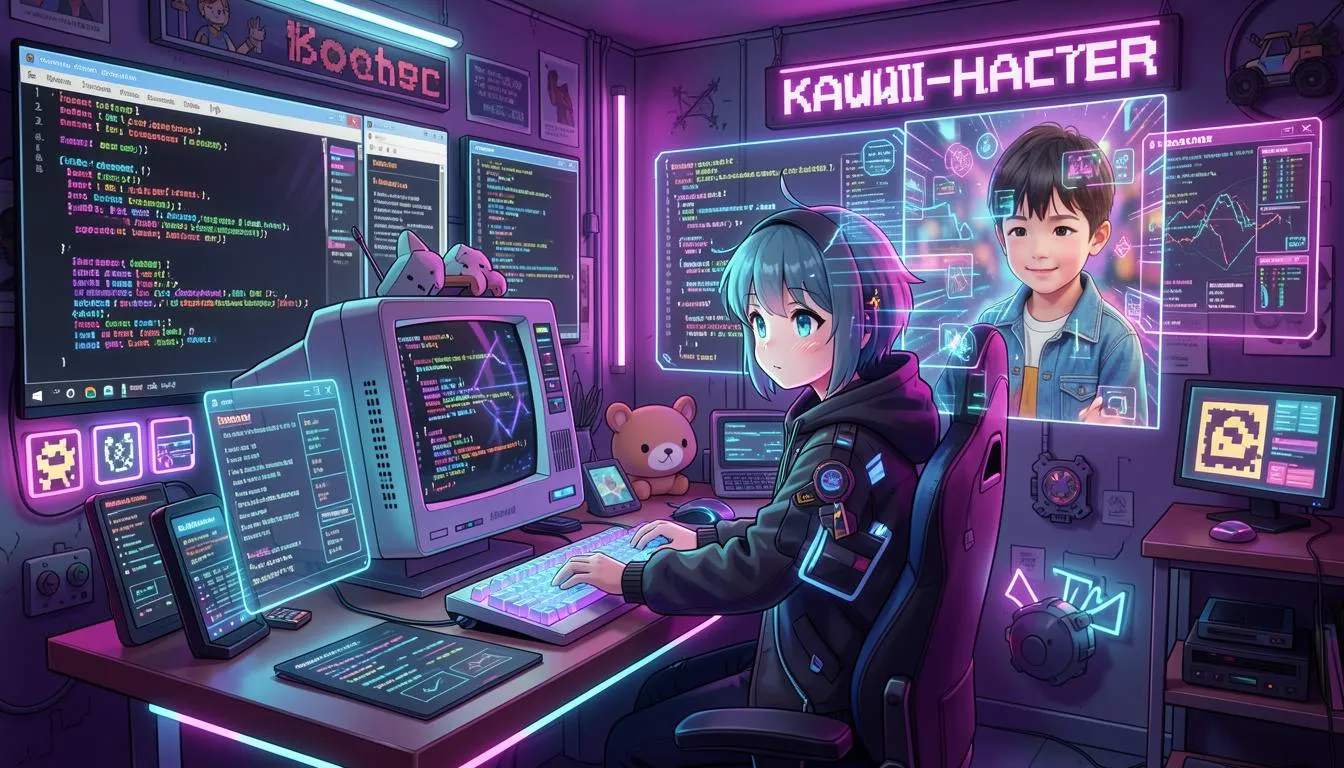
AI Design: The “Kawaii-Hacker” Aesthetic — Prompting for Niche Visual Identity
Key Takeaways
- The Kawaii-Hacker aesthetic blends nostalgic tech visuals with playful digital design to create memorable visual storytelling.
- AI tools like :contentReference[oaicite:0]{index=0} enable rapid experimentation with niche brand identities.
- Motion tools such as :contentReference[oaicite:1]{index=1} unlock cinematic transitions that previously required professional VFX teams.
- Modern AI masking techniques allow creators to animate old photos, blend timelines, and create narrative-driven visuals.
- For product managers and CTOs, generative design tools enable faster creative testing and stronger brand differentiation.
- Case Study: The Impossible Transition shows how a static childhood photo can be transformed into a dynamic story hook using AI video generation.
What If Your Brand Looked Instantly Recognizable?
Scroll through social media for five minutes and you’ll notice something strange.
Everything looks the same.
The same gradients.
The same sleek tech visuals.
The same safe corporate aesthetics.
For product leaders and marketing teams, this is a real challenge. When your brand visuals blend into the digital noise, even the best product messaging struggles to stand out.
But recently, a surprising design trend has begun to break that pattern: the “Kawaii-Hacker” aesthetic.
Think nostalgic computer graphics.
Retro desktop interfaces.
Cute anime-inspired elements mixed with cyberpunk tech visuals.
And thanks to AI design tools, building this kind of distinctive visual storytelling no longer requires a full creative studio.
The Problem: Most Brands Struggle to Create a Unique Visual Identity
For years, brand identity was limited by creative resources.
Teams needed:
- Motion designers
- Video editors
- VFX specialists
- Concept artists
This made experimentation expensive.
As a result, many product teams default to safe, conventional design systems.
The consequences are predictable:
- Campaign visuals look generic
- Content fails to capture attention
- Marketing teams struggle to create emotional hooks
Even worse, without compelling visuals, storytelling becomes flat.
In a digital environment where audiences decide in seconds whether content is worth watching, visual identity has become just as important as the product itself.
Ignoring this shift means losing engagement in an increasingly competitive content landscape.
The Solution: Designing Niche Visual Identity with AI
AI-powered creative tools are now enabling teams to experiment with bold visual styles without massive budgets.
The Kawaii-Hacker aesthetic is a great example of how niche identity design can be built using generative tools.
Here’s how modern teams approach it.
1. Start with a Narrative-First Design Strategy
Before generating visuals, define the story you want the brand to tell.
This is where visual storytelling becomes critical.
Ask questions like:
- What emotional tone should our visuals convey?
- Is the brand playful, nostalgic, futuristic, or rebellious?
- What visual metaphors represent our product’s value?
For example, the Kawaii-Hacker style combines:
- Retro computing elements
- Cute character design
- Neon hacker aesthetics
- Nostalgic interface visuals
This blend creates a distinct emotional signature.
Product teams exploring AI-driven marketing workflows often combine storytelling with automated content generation systems like those discussed on the SaaSNext blog:
https://saasnext.in/blog/ai-automation-strategies
2. Generate Concept Visuals Using AI Design Tools
Once the narrative direction is clear, AI design platforms can rapidly generate concept visuals.
Tools like :contentReference[oaicite:2]{index=2} help creators produce stylized imagery with very specific aesthetic prompts.
Instead of traditional design workflows, creators can prompt for styles like:
- “retro cyber desktop interface”
- “anime hacker workstation”
- “cute futuristic coding lab”
This allows rapid exploration of brand visuals.
In minutes, teams can test multiple visual identities without committing to expensive design production.
Platforms such as :contentReference[oaicite:3]{index=3} are increasingly helping marketing teams integrate AI-driven design and content workflows into their broader digital strategies.
You can explore their ecosystem here:
https://saasnext.in/
3. Use AI Masking Techniques for Visual Layering
One of the most powerful capabilities of generative design tools is AI masking techniques.
Masking allows creators to:
- Replace backgrounds
- Blend images across timelines
- Animate static visual elements
- Integrate characters with digital environments
This technique enables visual storytelling that feels cinematic rather than static.
For product marketing teams, this is incredibly valuable when creating:
- Product launch videos
- explainer content
- social media storytelling campaigns
Instead of flat visuals, brands can build immersive narrative sequences.
4. Add Cinematic Motion with Generative Video Tools
Static visuals alone are no longer enough to capture attention.
Modern content strategies rely heavily on motion.
This is where generative video platforms like :contentReference[oaicite:4]{index=4} come into play.
These tools enable creators to generate smooth transitions between scenes using AI.
For example, a single visual prompt can create:
- Camera movements
- Character animations
- Scene transformations
The result is cinematic motion graphics that previously required professional animation teams.
Case Study: The Impossible Transition
Creator :contentReference[oaicite:5]{index=5} demonstrated a powerful example of AI storytelling.
She took a static childhood photograph and transformed it into a dynamic opening scene for a video.
Using AI animation and masking techniques, the image gradually transitioned into a modern digital environment.
The effect felt almost magical.
But more importantly, it created a strong narrative hook.
Viewers immediately became curious about the story behind the transition.
This approach turns generative AI into more than just a design tool—it becomes a storytelling engine.
Teams experimenting with similar AI-powered creative workflows often adopt automation frameworks like those used by SaaSNext, which integrate AI agents into marketing and design pipelines.
Why This Matters for Product Leaders
For CTOs and product managers, the Kawaii-Hacker aesthetic is more than just a design trend.
It represents a broader shift toward AI-driven brand differentiation.
With generative tools, teams can:
- Experiment with niche brand aesthetics
- Rapidly test visual campaigns
- Produce cinematic storytelling content
This dramatically reduces the time between idea and execution.
Industry research from :contentReference[oaicite:6]{index=6} highlights how generative AI is enabling organizations to produce high-quality digital media significantly faster than traditional workflows.
In other words, visual experimentation is becoming a competitive advantage.
The Future of Brand Identity Is Algorithmic
Design used to be limited by the number of designers on your team.
Now it’s limited only by imagination.
AI tools are transforming creative production from a slow, resource-heavy process into an agile experimentation engine.
The brands that embrace this shift will build memorable visual identities that audiences instantly recognize.
And niche aesthetics like the Kawaii-Hacker style may just be the beginning.
The next era of digital branding won’t be defined by minimalism or corporate design systems.
It will be defined by distinctive, AI-powered storytelling.
If your team is exploring how AI agents can accelerate design, marketing, and content production, platforms like SaaSNext are helping organizations operationalize AI workflows across the entire marketing stack.
If you found this guide useful, consider sharing it with your design or product team.
Because the most memorable brands of the future won’t just build products.
They’ll build visual worlds powered by AI.