Bento Grids & Kinetic Type: Web Design Trends 2026 for AI Brands
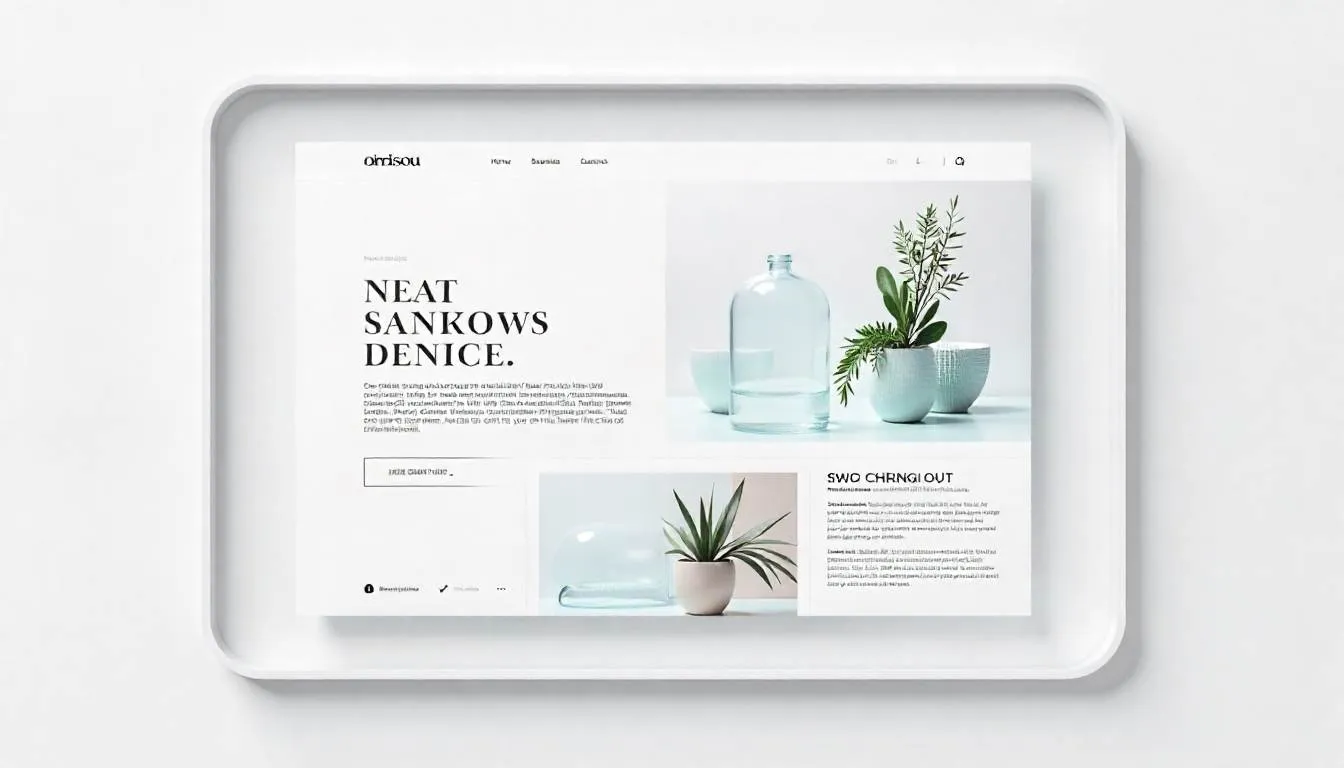
Minimalist “AI white” is fading fast. In 2026, brands don’t want to look like machines—they want to feel unmistakably human.
If you’ve opened your analytics lately and noticed bounce rates creeping up, you’re not alone. Across industries, founders and marketers are asking the same quiet question:
“Why does our site feel… invisible?”
Search trends for “Web Design Trends 2026”, “Kinetic Typography AI”, and “Bento Grid Layouts 2026” reveal a deeper shift. Audiences aren’t rejecting modern design—they’re rejecting sterile design. The era of blank white pages, thin sans-serif fonts, and emotionless layouts is over.
In its place?
A bold new visual language powered by Bento grids, kinetic type, and intentionally imperfect, human-centered motion.
This is how AI brands are learning to look alive.
The Problem: Why “Clean” Design Stopped Converting
For the last decade, digital design followed a single rulebook:
- White backgrounds
- Symmetrical grids
- Predictable scrolling
- Safe typography
It worked—until it didn’t.
1. Visual Sameness Is Killing Differentiation
Scroll through ten SaaS homepages and you’ll struggle to remember one. “Modern” became a template, not a strategy.
When everything looks premium, nothing feels premium.
2. AI Brands Feel Cold—Even When the Product Is Smart
As AI products exploded, many brands leaned harder into sterile minimalism to signal “intelligence” and “precision.” The unintended side effect? Emotional distance.
Users trust tools that feel:
- Approachable
- Expressive
- Responsive
Not ones that look like lab equipment.
3. Static Layouts Can’t Match Dynamic Attention
In a TikTok-native world, static pages feel slow. Attention is trained on motion, micro-interactions, and surprise. If your site doesn’t respond, users don’t wait.
Ignore this shift and the cost is real:
- Lower engagement
- Higher ad spend to compensate
- Slower brand recall
Design is no longer decoration—it’s performance.
The Solution: A New Visual Grammar for 2026
Welcome to the rise of Anti-Grid Web Design, Bento layouts, and Kinetic Typography AI—a system that blends structure with motion and humanity.
Let’s break it down.
1. Bento Grid Layouts: Structured, But Playful
Inspired by Japanese bento boxes, Bento Grid Layouts 2026 break content into modular, flexible “cells” rather than rigid columns.
Why Bento Grids Work
- They mirror how users scan content
- They allow hierarchy without monotony
- They scale beautifully across devices
Instead of forcing content into one dominant hero section, Bento grids let stories unfold in parallel.
How to Apply Bento Grids
- Use uneven tile sizes to guide attention
- Mix media types: text, video, stat blocks
- Allow sections to “breathe” rather than align perfectly
Bento grids feel curated, not manufactured.
2. Kinetic Typography: When Words Start Performing
Typography in 2026 doesn’t just sit—it moves with intent.
Kinetic Typography AI uses motion to:
- Emphasize meaning
- Create rhythm
- Signal emotional tone
This isn’t flashy animation for its own sake. It’s semantic motion.
Examples of Effective Kinetic Type
- Headlines that subtly shift as you scroll
- Keywords that animate on hover to reveal context
- Micro-movements synced with user input
When done right, motion increases comprehension—not distraction.
3. The Rise of “Human-Scribble” Design
Perfect vectors are out. Controlled imperfection is in.
Designers are intentionally introducing:
- Hand-drawn accents
- Asymmetrical spacing
- Organic motion paths
Why? Because imperfection signals authorship. It reminds users that a brand is made for people, not by templates.
4. Responsive Glassmorphism—Used With Restraint
Glassmorphism isn’t dead—it’s evolving.
In 2026, Responsive Glassmorphism is:
- Context-aware
- Performance-optimized
- Subtle, not dominant
Think frosted layers that adapt to background content, not heavy blur panels that kill readability.
Case Study: The “AGORA Luxury” Visual Pivot
To see these principles in action, look at AGORA, a premium jewelry brand.
The Problem
AGORA needed high-end campaign visuals for every new collection. Traditional shoots meant:
- Expensive locations
- Long production timelines
- Inflexible creative output
For a fast-moving e-commerce brand, this wasn’t sustainable.
The AI Solution
AGORA adopted an AI-first visual workflow:
- Midjourney generated atmospheric, luxury-grade environments
- Real product photography was composited into these scenes
- Lighting and shadows were AI-matched for realism
The result felt cinematic—without a single on-location shoot.
The Result
- 70% reduction in production time
- Thousands saved per campaign
- A consistent, premium aesthetic that scaled
More importantly, AGORA’s site adopted Bento-style layouts and kinetic type to showcase these visuals dynamically—turning imagery into an experience.
How AI Is Accelerating Visual Experimentation
The reason these trends are taking off isn’t just taste—it’s tooling.
AI now allows brands to:
- Test visual systems quickly
- Iterate without redesigning entire pages
- Personalize motion and layout at scale
Platforms like SaaSNext are increasingly used to orchestrate AI-driven creative workflows—connecting design, content, and performance data into a single loop.
Instead of guessing what “looks good,” teams can see what performs better.
Practical Playbook: Refreshing Your Site for 2026
You don’t need a full rebrand to adopt this visual language. Start small.
Step 1: Audit for Sameness
Ask:
- Does our site look interchangeable with competitors?
- Are we relying on default templates?
If yes, that’s your opportunity.
Step 2: Introduce Bento Layouts Incrementally
Start with:
- The homepage fold
- Feature sections
- Case study layouts
Let structure guide exploration.
Step 3: Animate Meaning, Not Everything
Use kinetic typography to:
- Highlight value propositions
- Guide scrolling
- Reinforce brand tone
Avoid motion that exists just to impress.
Step 4: Blend AI Imagery With Real Assets
Like AGORA:
- Use AI for environments
- Keep real products human and tactile
This hybrid approach builds trust.
Step 5: Close the Loop With Performance Data
Design shouldn’t be static.
With tools like SaaSNext, teams can:
- Measure engagement per visual element
- A/B test motion intensity
- Optimize layouts continuously
This is where design becomes a growth lever—not a cost center.
Common Questions (AEO-Optimized)
Are Bento grids bad for usability?
No. When done well, they improve scanability and mobile responsiveness.
Does kinetic typography hurt performance?
Not if implemented responsibly. Modern CSS and lightweight animations keep load times fast.
Is this trend only for AI brands?
No—but AI brands are adopting it faster because their products demand dynamism.
Why This Matters for 2026 Growth
Design is now part of your funnel.
It:
- Shapes first impressions
- Communicates trust
- Signals innovation
In crowded markets, visual language is often the first differentiator users notice—before copy, before features, before pricing.
Design That Feels Alive Wins
The takeaway is simple:
2026 isn’t about louder visuals—it’s about more human ones.
Bento grids bring structure without rigidity.
Kinetic type brings motion without chaos.
AI-powered visuals bring scale without sacrificing soul.
Brands that embrace this shift won’t just look modern—they’ll feel memorable.
If you’re planning a site refresh in 2026:
- Share this with your design or growth team
- Subscribe for more insights on AI-powered branding and performance design
- Explore how SaaSNext helps teams connect AI creativity with real-world marketing outcomes
Because in a world of infinite content, the brands that move—literally—are the ones users remember.