Cursor Automations Explained: Zero-Touch Development and Autonomous Coding in DevSecOps 2.0
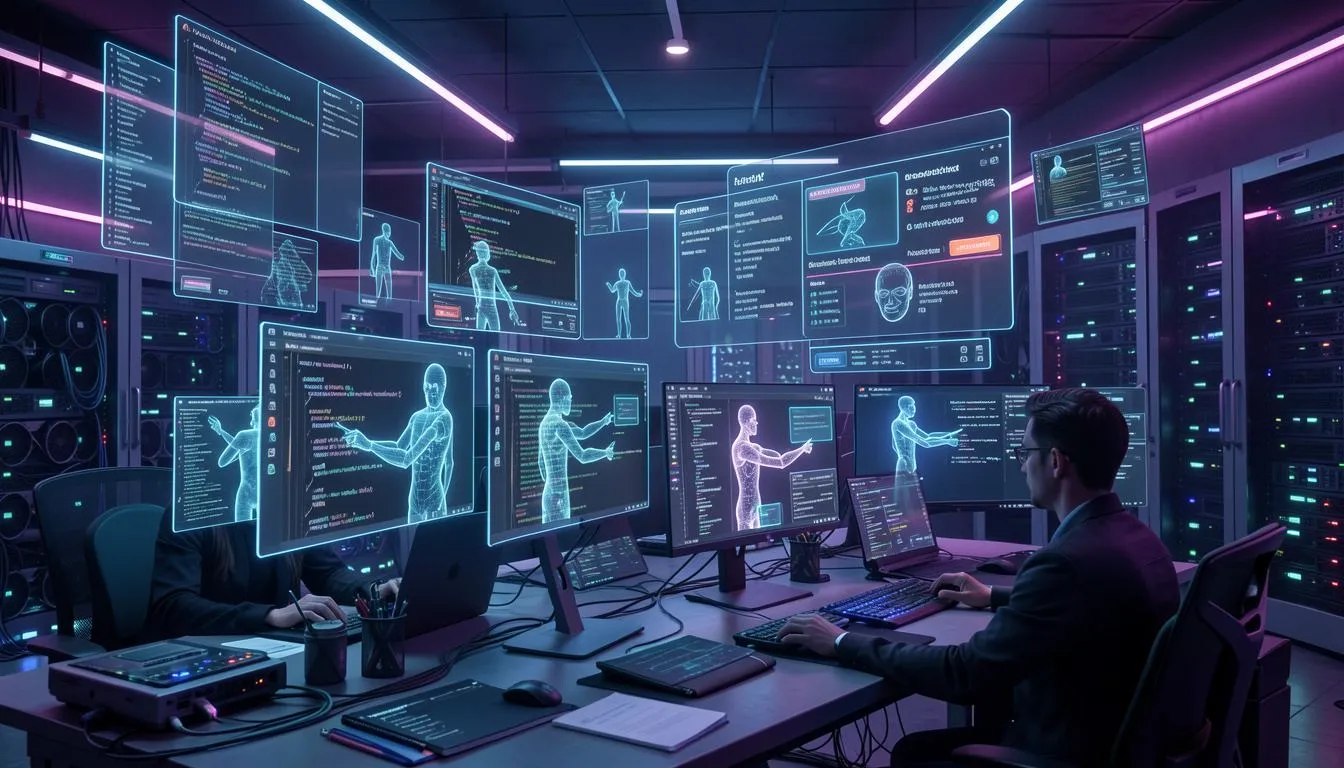
“Zero-Touch” Development: The $2 Billion Rise of Cursor Automations
Key Takeaways
- :contentReference[oaicite:0]{index=0} Automations enable AI coding agents that respond to triggers like Slack messages, server alerts, or monitoring tools.
- Trigger-based AI systems can detect issues, write fixes, and submit pull requests without human intervention.
- The rise of Autonomous Coding is redefining DevSecOps 2.0 and enabling “always-on” engineering teams.
- Zero-Touch CI/CD pipelines allow companies to maintain production stability even outside working hours.
- E-commerce platforms and SaaS companies can dramatically reduce downtime using AI agents.
- Case Study: The Ghost Developer — a startup fixed 12 critical P1 bugs overnight, automatically triggered by server alerts.
What If Your Code Fixed Itself at 3 AM?
Every developer knows the feeling.
You wake up, check Slack, and see a nightmare:
- server errors overnight
- failing deployments
- customer complaints already piling up
For many SaaS teams, this scenario is routine. Critical bugs appear at the worst possible times—during weekends, holidays, or late-night traffic spikes.
Traditionally, the solution was obvious but expensive: hire engineers to monitor systems 24/7.
But a new development paradigm is emerging.
In 2026, :contentReference[oaicite:1]{index=1} introduced Cursor Automations, a system of AI coding agents that respond to real-world triggers, write fixes, and ship pull requests autonomously.
The result?
A new development model called Zero-Touch Development.
The Problem: Engineering Teams Can’t Be Awake 24/7
Modern applications run on complex infrastructures.
They depend on:
- APIs
- microservices
- databases
- third-party integrations
- cloud environments
Even the best engineering teams cannot manually monitor every issue.
When problems appear outside working hours, companies face serious consequences:
- lost revenue
- customer frustration
- damaged reputation
For e-commerce businesses especially, downtime during peak hours can be catastrophic.
The root problem is simple:
Human developers cannot operate continuously.
But AI agents can.
The Breakthrough: Cursor Automations
Cursor Automations introduce trigger-based AI agents into the software development lifecycle.
These agents continuously monitor signals such as:
- Slack alerts
- server logs
- monitoring tools
- incident management platforms
For example, alerts from :contentReference[oaicite:2]{index=2} can automatically trigger a Cursor automation workflow.
Once triggered, the AI agent can:
- analyze the error logs
- identify the root cause
- generate a code fix
- open a pull request
This transforms CI/CD pipelines into autonomous development systems.
How Zero-Touch CI/CD Actually Works
Zero-touch development combines several technologies into a single automated workflow.
Here’s how the system typically operates.
1. Detect Issues via Monitoring Tools
The process begins when a monitoring system detects an anomaly.
Examples include:
- API error spikes
- failed database queries
- broken front-end rendering
These alerts trigger automation workflows.
For example, monitoring tools integrated with PagerDuty can send alerts directly to AI coding agents.
2. Trigger AI Coding Agents
Once an alert appears, Cursor Automations activate an autonomous coding agent.
This agent can:
- read the relevant codebase
- analyze logs and stack traces
- identify potential causes
Using autonomous coding models, the system generates a proposed fix.
Developers no longer need to manually investigate every error.
3. Generate and Test Fixes
The agent then writes code and runs automated tests.
Typical automated tasks include:
- patching broken API routes
- correcting configuration errors
- updating dependency conflicts
The AI then creates a pull request for review.
Developers arrive the next morning to pre-written fixes waiting in GitHub.
4. Human Review and Deployment
Even in DevSecOps 2.0, human oversight remains important.
The engineering team reviews the PR and merges it if approved.
This hybrid workflow allows AI to handle the repetitive work while humans focus on strategic development.
Organizations experimenting with similar automation pipelines often integrate them with broader AI workflow platforms like :contentReference[oaicite:3]{index=3}, which help teams orchestrate intelligent agents across marketing, product, and engineering workflows.
You can explore their ecosystem here:
Case Study: The “Ghost Developer”
A SaaS startup recently implemented Cursor Automations to handle overnight infrastructure issues.
Their engineering team did not operate night shifts.
Instead, they deployed a trigger-based automation system connected to their server monitoring tools.
During one night:
- 12 critical P1 production bugs appeared
- each triggered an AI automation workflow
- Cursor agents analyzed the logs and generated fixes
By 9:00 AM, the team found:
- 12 pull requests waiting for review
- all fixes already tested
The developers simply reviewed the changes and merged them.
This “ghost developer” capability is one of the reasons Cursor reportedly crossed $2 billion in ARR, driven by companies seeking always-on engineering infrastructure.
Why This Matters for Developers and E-Commerce Teams
Zero-touch development isn’t just a productivity improvement.
It fundamentally changes how engineering teams operate.
For developers and digital businesses, the benefits include:
- faster incident resolution
- reduced downtime
- lower operational costs
- improved customer experience
E-commerce platforms, in particular, benefit significantly.
If checkout systems fail during high-traffic hours, automated coding agents can patch issues before customers even notice.
This is why AI-driven automation platforms like SaaSNext are becoming essential infrastructure for modern digital companies.
They allow organizations to deploy intelligent agents across both engineering and business workflows.
The Future of Autonomous Coding
We are entering an era where software increasingly maintains itself.
Autonomous coding agents will soon handle:
- routine bug fixes
- performance optimizations
- dependency updates
- security patches
Developers won’t disappear.
Instead, their role will evolve toward system architecture, strategy, and oversight.
The mundane debugging work will increasingly be handled by AI.
The rise of Cursor Automations signals a new phase in software development.
Instead of reactive engineering teams rushing to fix problems, companies can deploy proactive AI agents that resolve issues automatically.
For startups, SaaS platforms, and e-commerce businesses, this shift means:
- fewer outages
- faster development cycles
- more resilient systems
If your team is exploring how AI automation can transform product workflows, platforms like SaaSNext are helping organizations operationalize AI agents across development, marketing, and operations.
If this article sparked ideas, consider sharing it with your engineering team.
Because the next generation of software might not just be written by developers.
It might also be written by AI developers working while we sleep.