Generative UI & Vibe Coding: The End of Static Figma Mockups
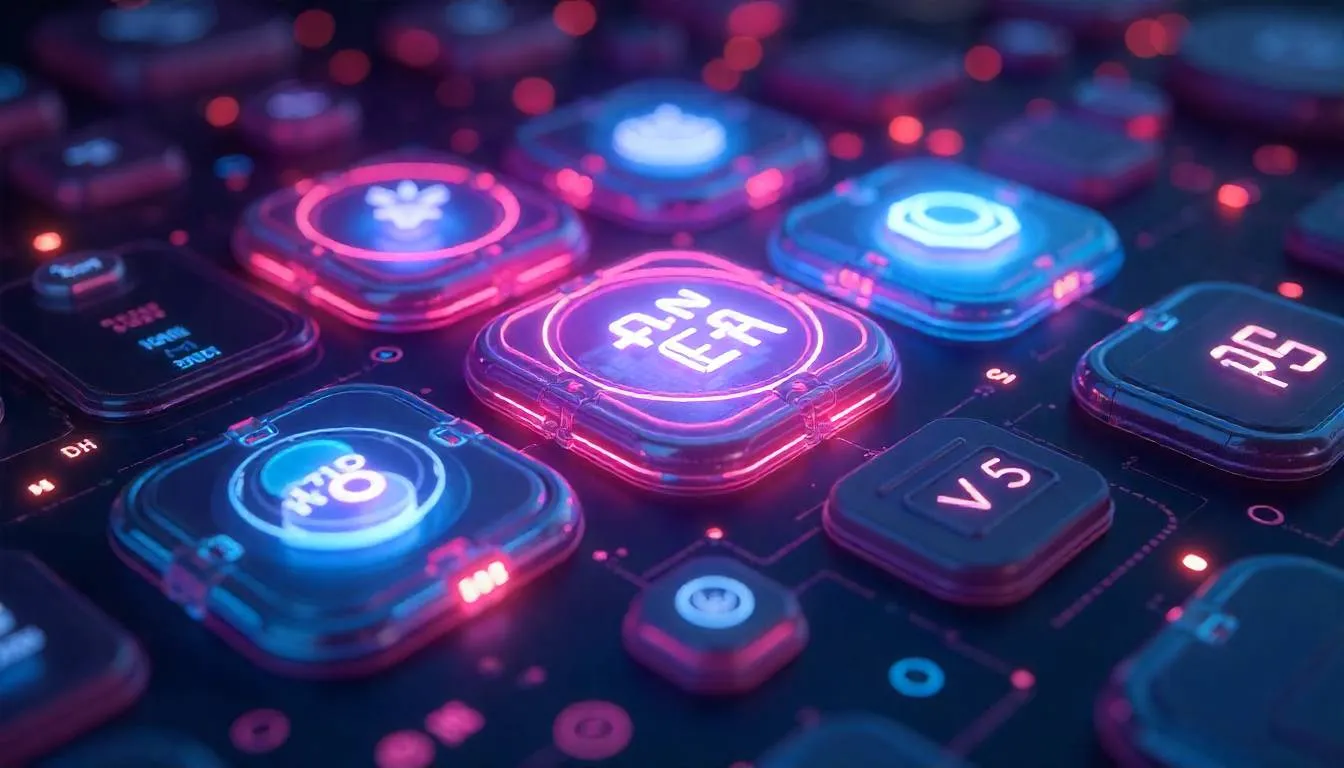
Generative UI & “Vibe Coding”: The End of Static Figma Mockups
Key Takeaways
- Static screens are becoming obsolete; intent-driven interfaces are the new design unit.
- Generative UI creates experiences at the moment of need, not at design time.
- “Vibe Coding” tools like v0 and Bolt.new are shifting design from pixels to behavior.
- Kinetic typography and tactile maximalism reintroduce human emotion into AI-driven products.
- Brands like Blinkit are proving that motion + responsiveness = higher conversion.
- The future of UX is not what users see—it’s how the interface feels.
When Was the Last Time a Design Mockup Actually Surprised You?
Be honest.
When you open Figma today, does it feel exciting—or does it feel like filling out a form?
Boxes.
Auto-layout.
Another “clean” SaaS dashboard that looks suspiciously like the last ten you shipped.
Meanwhile, users are scrolling faster, deciding quicker, and expecting digital experiences to respond to them—not the other way around.
Here’s the uncomfortable truth:
We’re still designing screens for a world that no longer exists.
In 2026, the interface doesn’t exist until the user asks for it.
And when it does appear, it shouldn’t feel designed—it should feel alive.
The Problem: Static Design Can’t Keep Up With Dynamic Humans
Design teams today are under pressure from every direction:
- Product cycles are shorter
- User expectations are higher
- AI capabilities are expanding faster than design systems
Yet we still rely on:
- Fixed breakpoints
- Pre-approved layouts
- Pixel-perfect mockups signed off weeks before launch
Why This Model Is Breaking
Humans are not static.
Their intent, mood, context, and accessibility needs change constantly.
But static UI assumes:
- One layout fits all
- One flow serves every goal
- One emotional tone works for everyone
The result?
- Interfaces that feel cold
- Endless A/B tests chasing marginal gains
- Beautiful designs that don’t convert
Ignore this shift, and you’ll keep shipping “good-looking” products that users forget five minutes later.
Enter Generative UI: Design That Assembles Itself
Generative UI flips the entire design process on its head.
Instead of designing what the screen looks like, you design:
- Rules
- Behaviors
- Intent models
The interface is generated in real time, based on:
- User intent
- Interaction patterns
- Environmental signals
- Emotional cues
Think less:
“Here’s the checkout screen.”
And more:
“Here’s how the interface behaves when someone is in a hurry vs. browsing for joy.”
This is where Vibe Coding comes in.
What Is “Vibe Coding,” Really?
Vibe Coding isn’t about writing messier code or skipping design rigor.
It’s about shifting from:
- Rigid components → expressive systems
- Visual specs → behavioral intent
- Static mockups → live generation
Tools like v0 and Bolt.new allow teams to:
- Describe feelings, not layouts
- Define motion logic instead of static states
- Generate UI on demand from intent prompts
You’re not telling the system what to draw. You’re telling it how to respond.
Why Figma Mockups Are Losing Relevance
Figma isn’t dying—but its role is changing.
Static Mockups Fail Because:
- They freeze decisions too early
- They can’t represent infinite states
- They prioritize alignment over emotion
Generative UI thrives because:
- It adapts continuously
- It personalizes at scale
- It feels human—even when AI-built
Designers aren’t becoming obsolete. They’re becoming experience choreographers.
Case Study: Blinkit’s “Kinetic” Grocery Store
The Problem
Mobile grocery shopping felt transactional.
Flat grids.
Predictable taps.
No sense of discovery or delight.
Users added items—but without emotion.
The AI Solution
Blinkit leaned into Tactile Maximalism + Generative UI.
Using real-time interaction signals:
- Buttons inflate based on scroll speed
- Icons bounce when hovered or flicked
- Motion adapts to how aggressively or gently users browse
Digital fruit didn’t just look fresh—it felt pluggable.
The Result
- 30% increase in add-to-cart rates
- Higher session time
- Stronger dopamine-driven engagement
Blinkit didn’t redesign screens. They redesigned response.
Why This Works: The Neuroscience Angle
Human brains crave:
- Feedback
- Resistance
- Micro-rewards
Physical shopping gives us:
- Texture
- Weight
- Motion
Generative UI recreates this digitally through:
- Kinetic typography
- Elastic motion
- Tactile visual cues
This is why tactile maximalism is replacing flat minimalism.
Minimalism optimized for clarity.
Maximalism optimizes for feeling.
How to Design With Intent Models (Step-by-Step)
Step 1: Define User Intent States (Not User Flows)
Instead of linear journeys, map:
- Browsing mode
- Goal-driven mode
- Exploration mode
- Decision anxiety mode
Each intent triggers a different UI behavior.
Step 2: Design Motion as Feedback, Not Decoration
Motion should:
- Confirm actions
- Reward exploration
- Signal progress
Avoid:
- Random animations
- Decorative movement with no meaning
Every bounce should answer:
“What is the user feeling right now?”
Step 3: Let Typography Breathe
Kinetic typography:
- Expands on hover
- Reacts to scroll velocity
- Adjusts weight and spacing dynamically
Text stops being static information. It becomes interaction.
Step 4: Build Systems, Not Screens
This is where platforms like SaaSNext (https://saasnext.in/) become critical.
By orchestrating AI agents across design, marketing, and analytics, SaaSNext helps teams:
- Translate user behavior into UI rules
- Connect engagement data to generative design
- Scale personalization without manual redesign
Design decisions become data-informed, not opinion-driven.
Where Bento Grids, Glassmorphism, and Brutalist AI Fit In
These aren’t trends—they’re responses.
- Bento Grid 2.0 supports modular generation
- Glassmorphism adds depth and tactility
- Brutalist AI Design reintroduces imperfection
All of them work because they:
- Break symmetry
- Signal humanity
- Feel less “machine-perfect”
Users don’t want flawless. They want relatable.
Common Questions (AEO-Optimized)
Is Generative UI Bad for Consistency?
No. Consistency moves from visuals to behavioral logic.
Do Designers Need to Code?
Not deeply—but they need to think systemically.
Is This Only for Big Brands?
No. Smaller teams often move faster with intent-based systems.
Does This Replace UX Research?
Absolutely not. It makes research more actionable.
The Marketing Connection Most Teams Miss
Generative UI doesn’t just improve UX. It improves conversion.
When UI adapts in real time:
- Drop-offs decrease
- Engagement deepens
- Emotional memory increases
This is why growth teams are now collaborating with design earlier than ever.
Using SaaSNext, teams can align:
- Campaign intent
- User behavior
- Interface response
So the experience feels coherent from ad to action.
What Happens If You Ignore This Shift?
You’ll notice:
- Users scrolling faster but buying less
- Interfaces feeling “fine” but forgettable
- Competitors feeling more alive with fewer features
You won’t lose users loudly. You’ll lose them quietly—to experiences that feel better.
Design Isn’t What Users See—It’s What They Sense
The future of design isn’t static. It’s generative, responsive, and emotional.
In 2026:
- Screens are temporary
- Intent is permanent
- Feeling beats fidelity
Stop designing pages.
Start designing possibility spaces.
Because the best interface isn’t the one users admire.
It’s the one they feel.
If this resonated:
- Share it with your design or product team
- Subscribe for more insights on AI-first experience design
- Explore how SaaSNext helps teams operationalize intent-driven, generative experiences at scale
The interface is no longer a canvas.
It’s a conversation.