Generative UX & Liquid UI Design: How Zomato Uses Intent-Based Interfaces to Boost Conversions
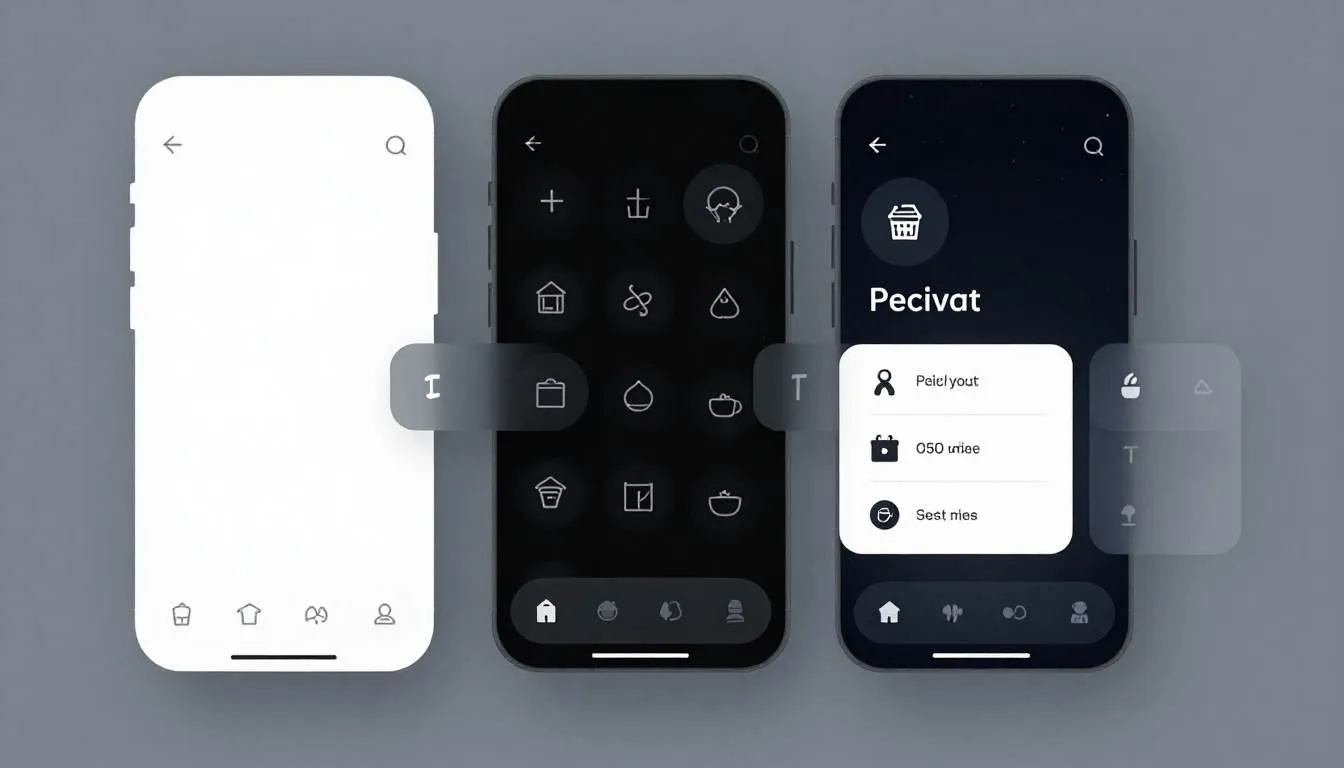
Generative UX: Why Zomato’s App Never Looks the Same Twice
How Liquid UI and Intent-Based Navigation Are Redefining Product Design in 2026
Have You Ever Noticed… Your App Feels “Smarter” Than Your Strategy?
Open Zomato at 11:03 PM after a long day.
You’re tired.
You don’t want to scroll.
You don’t want to think.
And yet—somehow—the app knows.
Late-night delivery is right there.
Quick snacks surface instantly.
The colors are calmer.
The visuals are darker, softer, easier on your eyes.
You didn’t search faster.
The interface decided for you.
This is the quiet revolution most CEOs are missing:
Design is no longer static. It’s generative.
And Zomato isn’t redesigning screens.
They’re redesigning decision-making.
The Problem: Static UX in a Dynamic Human World
Why Traditional UX Is Breaking Down
For years, product teams optimized UX around:
- Fixed user journeys
- Predefined personas
- Static navigation hierarchies
But here’s the uncomfortable truth:
Users don’t behave like personas. They behave like moods.
What a user wants at:
- 9 AM ≠ 3 PM ≠ 11 PM
- Monday ≠ Friday
- Alone ≠ With friends
Yet most apps still show the same interface to everyone.
The Cost of Ignoring This Shift
When UX doesn’t adapt:
- Users hesitate
- Choice overload increases
- Search time explodes
- Conversion silently drops
This shows up as:
- Lower session-to-conversion ratios
- Higher bounce rates
- “Users browse but don’t order” complaints
The problem isn’t content.
It’s cognitive friction.
The Shift: From Static Screens to Generative UX
What Is Generative UX?
Generative UX means:
The interface is assembled in real time based on predicted user intent.
Instead of asking:
“Where should this button live?”
Teams now ask:
“What does this user likely want right now?”
This is where Liquid UI Design enters.
Liquid UI Design: The Interface That Flows With Intent
What Makes a UI “Liquid”?
A Liquid UI:
- Reshuffles content blocks dynamically
- Reorders navigation based on intent signals
- Adapts visual density and contrast
- Prioritizes speed over exploration
The layout isn’t fixed.
It’s context-aware.
Signals Zomato’s UI Responds To
Zomato’s Generative App Interfaces respond to:
- Time of day
- Search patterns
- Scroll behavior
- Past order velocity
- Device brightness
- Location and weather
This feeds into what they call Intent-Based Navigation.
Case Study: Zomato’s Picto-Search & Filter Graph
The Old Search Problem
Most food apps suffer from:
- Endless filters
- Analysis paralysis
- Users scrolling without committing
Zomato tackled this with two innovations:
- Picto-Search
- Filter Graph
What Is Picto-Search?
Instead of text-heavy filters, Zomato introduced:
- Visual icons
- Emoji-like food cues
- One-tap intent shortcuts
Users don’t type “quick vegetarian snack under 30 minutes.”
They tap 🍟 🌱 ⚡.
That’s reduced cognitive load by design.
The Filter Graph: Predicting Before Asking
The Filter Graph is the real magic.
It predicts:
- Which filters matter most right now
- Which ones to hide
- Which ones to auto-apply
At 11 PM:
- “Late Night Delivery” surfaces
- “Fine Dining” disappears
- “Quick Snacks” moves up
All without asking the user.
Dark Mode Isn’t Cosmetic—It’s Strategic
At night:
- Dark-mode optimized visuals reduce eye strain
- Fewer bright food images reduce overwhelm
- UI density tightens to shorten decisions
This is behavioral UX, not aesthetics.
The Result
- 30% reduction in Search-to-Order time
- Lower user indecisiveness
- Faster conversions
- Higher satisfaction without discounts
This is what CEOs should pay attention to: Design decisions directly impacting revenue velocity.
Why This Matters to CEOs (Not Just Designers)
Generative UX isn’t a design trend.
It’s an operational advantage.
Shorter decision loops mean:
- Higher throughput per session
- Lower CAC
- Better retention
- Fewer abandoned sessions
In boardroom terms:
Faster intent resolution = better unit economics.
The Strategic Framework: How to Build Generative UX in Your Product
Step 1: Redefine UX as a Decision System
Stop treating UX as:
- Screens
- Flows
- Wireframes
Start treating it as:
- A real-time decision engine
- That optimizes what to show first
This requires cross-functional thinking:
- Product
- Data
- Design
- AI
Step 2: Instrument Intent Signals (Not Just Clicks)
Track:
- Time-to-first-action
- Scroll hesitation
- Filter toggling frequency
- Back-and-forth navigation
These signals reveal indecision, not interest.
Platforms like SaaSNext (https://saasnext.in/) help teams:
- Capture real-time behavioral signals
- Feed them into AI-driven decision layers
- Power adaptive interfaces without rewriting your entire app
Step 3: Move From Menus to Priority Stacks
Static menus assume equal importance.
Generative UX uses priority stacks:
- Top 3 things you should care about right now
- Everything else stays accessible—but secondary
This is Intent-Based Navigation in action.
Step 4: Use Visual Language as an Intent Accelerator
Picto-Search works because:
- Visual recognition is faster than reading
- Icons bypass language barriers
- Emojis carry emotional weight
Design isn’t decoration—it’s decision compression.
Step 5: Govern the Chaos With Rules + AI
Generative UX doesn’t mean randomness.
Zomato uses:
- Guardrails
- Design tokens
- Brand constraints
- AI ranking layers
This balance ensures:
- Consistency
- Predictability
- Trust
Enterprise teams can adopt similar systems using platforms like SaaSNext, which help orchestrate AI agents safely across product experiences.
Common CEO Questions (AEO-Optimized)
Does Generative UX confuse users?
No—when done right, it reduces choice overload.
Is this expensive to implement?
Not compared to the revenue lost through indecision.
Does it replace designers?
No. Designers define systems, not screens.
Can this work outside food delivery?
Yes—fintech, travel, e-commerce, and SaaS all benefit.
Why Most Companies Fail at This
They try to:
- Add AI on top of static UX
- Personalize content, not structure
- Optimize pages, not decisions
Zomato succeeded because they:
- Rearchitected intent flow
- Let AI influence layout priority
- Designed for when not just what
The Bigger Shift: UX as a Living System
In 2026:
- Apps don’t have “a design”
- They have design behavior
The interface is alive—responding, reshaping, adapting.
This is the future of Generative App Interfaces.
Strategic Reads & References
- Nielsen Norman Group on Adaptive UX: https://nngroup.com
- Google UX Research on Decision Fatigue: https://research.google
- SaaSNext on AI-driven experience orchestration: https://saasnext.in/blog
The evidence is consistent: Reducing thinking increases conversion.
Conclusion: Your App Should Think So Users Don’t Have To
Zomato didn’t win because they added features.
They won because they:
- Removed friction
- Predicted intent
- Respected user energy
Generative UX isn’t about making apps smarter.
It’s about making decisions easier.
For CEOs, the question is simple:
Will your product wait for users to decide—
or will it help them decide faster?
Start rethinking UX as a real-time decision engine.
Study what Zomato is doing.
Explore platforms like SaaSNext to operationalize adaptive, AI-driven experiences.
Because in 2026,
the best UX is the one users barely notice—but always trust.