Predictive UX 2026: How Context-Aware Apps Adapt Before Users Think
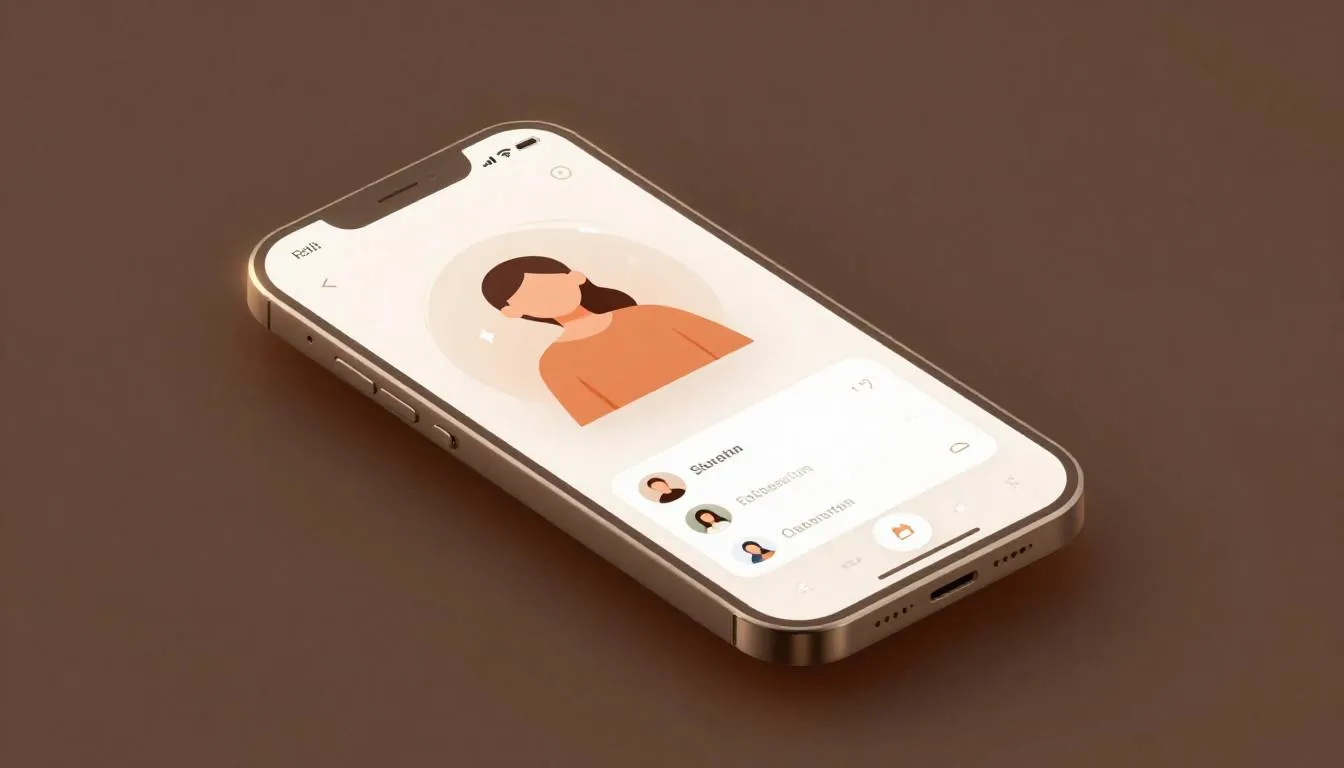
Predictive UX Hacks: Creating Context-Aware Apps That Adapt Before the User Even Thinks
Key Takeaways
- Predictive UX shifts design from reactive interfaces to anticipatory experiences
- Context-aware apps use signals like time, behavior, device state, and intent—not just clicks
- Agentic UX design lets interfaces decide what to show, when, and how in real time
- Adaptive UI increases retention, reduces friction, and feels “magically simple” to users
- Teams that ignore predictive UX in 2026 risk shipping products that feel slow, dumb, and invisible
Why Does Your App Still Feel One Step Behind?
Have you ever opened an app and thought, “Why do I still have to tell you this?”
You’ve logged in.
You’ve used the app for months.
It knows your habits, your schedule, your preferences.
And yet… it greets you like a stranger.
In 2026, that disconnect is no longer a UX flaw—it’s a retention killer.
Users don’t want smarter features. They want smarter timing. They don’t want more options. They want the right option to surface before they even realize they need it.
This is where predictive UX comes in—and why context-aware interfaces are quietly becoming the difference between apps people tolerate and apps people depend on.
The Problem: Static UX in a Dynamic World
Let’s call out the elephant in the room.
Most apps today are still built on a 2015 mindset:
- Fixed navigation
- Static dashboards
- One-size-fits-all flows
- UX decisions locked in Figma months before launch
Meanwhile, users live in a world that is:
- Hyper-contextual
- Emotion-driven
- Time-sensitive
- Multidevice and multitasking by default
Where Teams Get Stuck
App developers and UX researchers usually struggle with three things:
-
Too many signals, not enough decisions
You’re collecting analytics, but the interface doesn’t act on them in real time. -
Fear of being “creepy”
Teams avoid adaptation because they don’t want to cross the personalization line. -
Design debt
Static UI systems are easier to ship—but painfully hard to evolve.
What Happens If You Ignore This?
If your app doesn’t adapt:
- Users feel friction they can’t explain
- Engagement plateaus
- Retention drops silently
- Competitors feel “effortless” by comparison
Predictive UX isn’t about guessing the future.
It’s about removing obvious friction before it appears.
The Shift: From User Flows to User States
Traditional UX asks:
“What does the user click next?”
Predictive UX asks:
“What state is the user in right now—and what would help them most?”
This is the foundation of context-aware interfaces.
Context ≠ Personalization
Let’s be clear:
- Personalization = who the user is
- Context = what’s happening around them
Context includes:
- Time of day
- Location
- Recent behavior
- Device type
- Motion (walking, stationary)
- Cognitive load
- Emotional signals (pace, hesitation, repetition)
Predictive UX uses these signals to adapt the interface itself, not just the content.
Solution Section: How to Build Predictive UX That Actually Works
1. Start With Context Mapping (Not Screens)
Before designing UI, map context clusters.
Ask:
- When is my app used?
- In what emotional states?
- Under what constraints (time, energy, attention)?
Example Context States
- “Rushed and distracted”
- “Exploring casually”
- “Goal-driven and focused”
- “Low motivation”
- “Returning after a break”
Each state should answer:
- What should the app prioritize?
- What should it hide?
- What should it suggest?
This is where agentic UX design begins—designing for intent, not clicks.
2. Replace Static Dashboards With Adaptive Entry Points
Static home screens are a relic.
Predictive UX uses adaptive entry points:
- Different default screens based on context
- UI elements that reorder themselves
- CTAs that change language and prominence
Practical Hacks
- Morning = action-first UI
- Evening = reflection or discovery UI
- Returning after inactivity = reassurance, not upsell
- Power users = shortcuts
- New users = guidance
This approach dramatically reduces cognitive load.
For teams automating decision logic behind these interfaces, platforms like SaaSNext help orchestrate agentic workflows that trigger UI changes based on behavioral signals—without hardcoding every scenario.
3. Introduce Micro-Predictions (Low Risk, High Trust)
You don’t need to predict everything.
Start small:
- Suggest the next likely action
- Pre-fill forms intelligently
- Surface relevant tools before they’re searched
Why This Works
- Users feel understood
- Errors decrease
- Time-to-value improves
This is predictive UX without crossing privacy lines.
4. Case Study: Fitness App That Predicted Mood—Not Just Goals
Let’s ground this.
The Challenge
A fitness app had solid features but poor retention. Users churned after 2–3 weeks.
Why?
- Same UI every day
- Same tone regardless of user energy
- Same goals pushed even when users were struggling
The Predictive UX Shift
Instead of asking users to log mood explicitly, the app inferred context from:
- Workout completion speed
- Time of usage
- Interaction depth
- Skipped sessions
The UI adapted:
- On low-energy days: lighter language, shorter workouts
- On high-momentum days: progress visualization and stretch goals
- On return after absence: encouragement, not guilt
The Result
- 30% increase in retention
- Higher session frequency
- Stronger emotional attachment to the product
This wasn’t magic. It was context-aware design done intentionally.
5. Design Rules for Agentic UX (That Designers Actually Like)
Predictive UX doesn’t mean chaos.
Use guardrails:
- Never surprise users with irreversible actions
- Make adaptation feel helpful, not clever
- Always allow manual override
- Keep changes subtle, not theatrical
Think assistive, not autonomous.
This balance is critical—and one reason teams increasingly use orchestration layers (like SaaSNext) to separate decision logic from interface rendering, allowing UX teams to test, iterate, and roll back safely.
6. Tools & Architecture That Enable Predictive UX
You don’t need a full AI research team.
You need:
- Event-driven architecture
- Lightweight inference models
- Real-time signal processing
- UI systems built for change
Stack Examples
- Event tracking → context engine
- Context engine → agentic decision layer
- Decision layer → adaptive UI components
For teams experimenting with agentic UX design, integrating AI agents via no-code or low-code platforms can dramatically shorten build cycles—especially when paired with UX experimentation frameworks.
Strategic Links & Further Reading
- Explore automation-first UX thinking on the SaaSNext blog: https://saasnext.in/blog
- Read about adaptive interfaces and human-centered AI from leading HCI research institutions
- Dive into agentic systems design principles from open-source AI workflow communities
(Use these as supporting material for deeper experimentation—not rigid playbooks.)
The Bigger Picture: Predictive UX Is About Respect
The best predictive UX doesn’t feel smart.
It feels considerate.
It respects:
- User time
- User energy
- User context
In 2026, users won’t say:
“This app has great UX.”
They’ll say:
“This app just gets me.”
And that’s the quiet superpower of context-aware interfaces.
Design Less. Anticipate More.
The future of UX isn’t more screens, more flows, or more features.
It’s fewer decisions for users—and better ones made for them.
Predictive UX, adaptive app UI, and agentic design aren’t trends. They’re responses to an obvious truth: Users are tired of explaining themselves to software.
If you’re building apps today:
- Stop designing static experiences
- Start designing for intent, context, and timing
- Let your interface adapt—gracefully, ethically, and intelligently
If this article sparked ideas:
- Share it with your product or UX team
- Subscribe for more deep dives into agentic design and adaptive systems
- Or explore how platforms like SaaSNext help teams operationalize AI-driven UX decisions without reinventing their stack
The next generation of apps won’t ask users what they want.
They’ll already know.