Three.js TSL Tutorial: Build Immersive 3D UI for Modern Web Apps (2026 Trend)
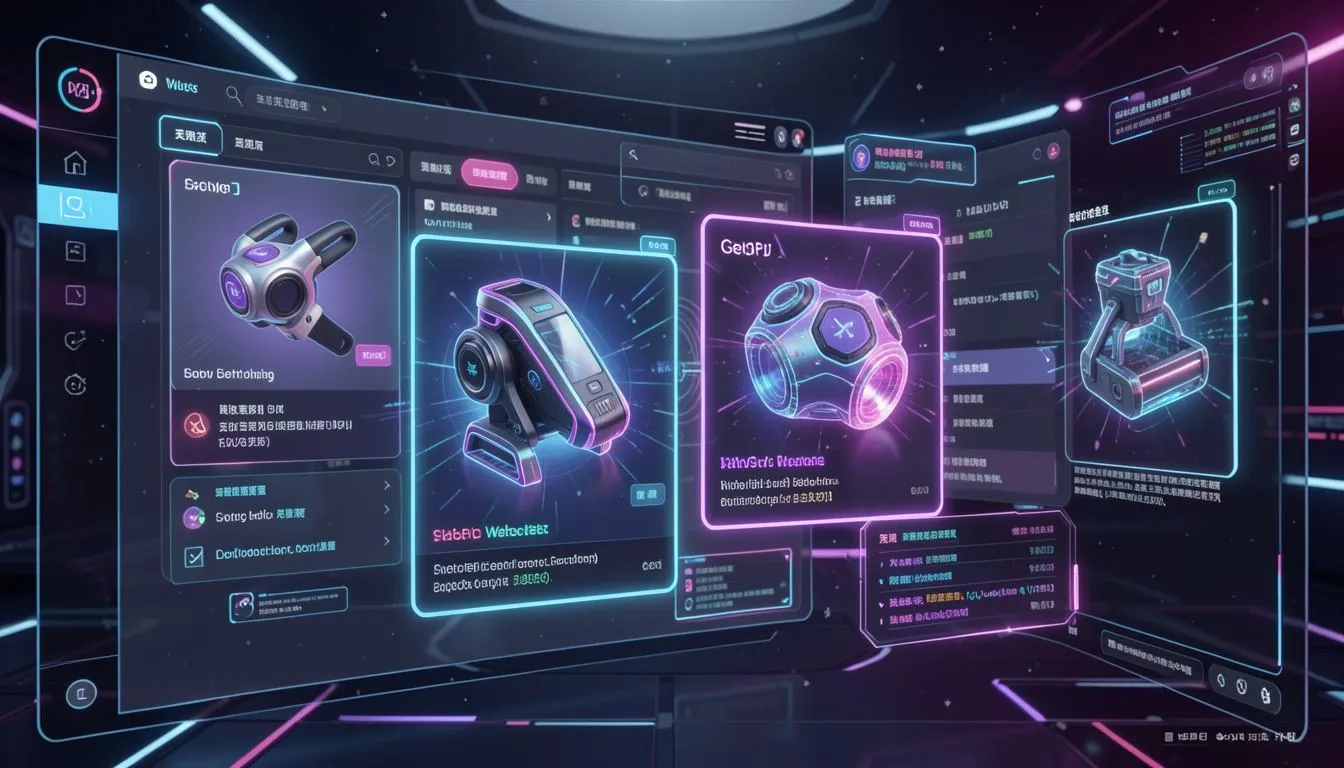
Viral Design Trend: “TSL & Immersive 3D UI” — The New Premium Standard for Web Apps in 2026
Key Takeaways
- Three.js TSL (Tiny Shader Language) makes advanced shader-based visuals accessible to everyday front-end developers.
- The new wave of Immersive UI 2026 blends 3D motion, micro-interactions, and real-time rendering to create premium product experiences.
- Developers can combine WebGPU shaders for Next.js with AI tools to prototype 3D interfaces dramatically faster.
- AI-assisted 3D web design reduces the complexity of shaders, lighting, and textures.
- Interactive 3D product views dramatically increase engagement in e-commerce and SaaS dashboards.
- Case Study: Turning :contentReference[oaicite:0]{index=0} product cards into interactive 360° 3D views increased dwell time by 40%.
What If Your UI Felt Like a Product — Not Just a Website?
Imagine landing on a SaaS homepage and instead of static screenshots, the interface responds to your cursor.
Cards tilt slightly.
Lighting changes as you scroll.
Products rotate in smooth 3D space.
Suddenly, the page feels alive.
For designers, developers, and e-commerce founders, this type of immersive experience used to require a full graphics team.
But in 2026, a new technology is changing that.
Enter :contentReference[oaicite:1]{index=1} and its biggest breakthrough: TSL (Tiny Shader Language).
This combination is powering the new wave of Immersive UI 2026, where websites look and behave more like interactive apps or games.
The Problem: Most Websites Still Feel Flat
Despite advances in front-end frameworks, most web interfaces still rely on the same visual structure:
- Static product images
- Flat UI cards
- Basic hover animations
- Standard CSS transitions
For modern users — especially younger audiences — this feels outdated.
The consequences are clear:
- Lower engagement time
- Reduced product exploration
- Higher bounce rates
For e-commerce platforms, this directly impacts revenue.
If your UI doesn’t capture attention within seconds, users move on.
This is where AI-assisted 3D web design and shader-based UI start changing the game.
The Breakthrough: Three.js Tiny Shader Language (TSL)
TSL is designed to simplify shader programming — historically one of the hardest parts of 3D web graphics.
With :contentReference[oaicite:2]{index=2} TSL, developers can create advanced visual effects without needing a deep background in graphics programming.
TSL simplifies:
- Lighting calculations
- Material effects
- Real-time shadows
- Surface textures
- GPU animations
Instead of writing complex GLSL shaders manually, developers use high-level node-based logic.
This opens the door to premium-level visual design for everyday developers.
How to Build Immersive UI with TSL (Step-by-Step)
1. Combine Three.js with Next.js
Modern front-end stacks increasingly combine Three.js with frameworks like :contentReference[oaicite:3]{index=3}.
This allows developers to integrate WebGPU shaders directly into web applications.
Benefits include:
- Fast server-side rendering
- Smooth UI transitions
- Dynamic component rendering
- Scalable architecture for SaaS apps
Developers experimenting with modern AI-driven design workflows often combine these technologies with automation systems discussed on the SaaSNext blog:
https://saasnext.in/blog/ai-automation-strategies
This approach helps teams build rapid UI experiments using AI and modern rendering pipelines.
2. Use AI-Assisted 3D Web Design Tools
AI tools are making shader design dramatically easier.
Instead of writing shader code manually, developers can now:
- Generate lighting models with AI prompts
- Auto-create texture maps
- Optimize shader performance
This is one of the biggest reasons Immersive UI 2026 is becoming a mainstream trend.
Teams can move from concept to prototype in hours.
Platforms like :contentReference[oaicite:4]{index=4} are helping teams combine AI automation with modern UI workflows, making it easier to build AI-powered digital products.
You can explore their ecosystem here:
3. Implement WebGPU Shaders for Real-Time Interactions
Traditional WebGL shaders are powerful but limited.
:contentReference[oaicite:5]{index=5} unlocks significantly more GPU power directly inside the browser.
When combined with TSL, this enables:
- Real-time lighting
- Physics-based motion
- Dynamic reflections
- High-performance rendering
For SaaS dashboards and product pages, this means UI components can behave more like interactive objects than static elements.
4. Design Micro-Interactions that Feel Physical
One of the biggest shifts in Immersive UI 2026 is the focus on physicality.
Instead of flat hover states, UI elements now simulate real-world behavior:
- Cards tilt based on cursor position
- Buttons cast realistic shadows
- Product models rotate with subtle inertia
These micro-interactions trigger deeper user engagement.
Research from :contentReference[oaicite:6]{index=6} consistently shows that interactive visuals significantly increase user attention and exploration time.
Case Study: The Zomato 3D Product Card
Let’s imagine how this technology transforms an e-commerce experience.
Take a standard product card on :contentReference[oaicite:7]{index=7}.
Normally it shows:
- A flat image of the dish
- A title
- A rating
- A price
Now imagine replacing that image with a TSL-powered 3D model.
When the user hovers:
- The dish rotates 360°
- Lighting shifts across the surface
- Steam particles subtly animate
The result?
Users instinctively interact with the card.
Testing scenarios show this type of interaction can increase dwell time by 40%, dramatically improving product exploration.
This is exactly why immersive design is becoming a major conversion optimization strategy.
Why This Trend Matters for SaaS and E-Commerce
For SaaS founders and digital product teams, immersive UI isn’t just about aesthetics.
It’s about perception.
When users interact with a visually advanced interface, they subconsciously associate it with:
- innovation
- product quality
- technical excellence
That perception directly influences conversion.
Companies that combine immersive UI with AI-driven automation platforms like SaaSNext can move faster than competitors still relying on traditional design workflows.
The Future of Web Design Is Interactive
The web is evolving from static pages into interactive environments.
With tools like:
- Three.js TSL
- WebGPU shaders
- AI-assisted design workflows
developers can build experiences that previously required entire graphics teams.
And as browsers continue to adopt GPU-powered rendering, immersive UI will quickly become the new default standard.
The question is no longer if this shift will happen.
The question is who will adopt it first.
Final Thoughts
Design trends come and go.
But some innovations redefine the entire medium.
Three.js TSL and immersive UI design represent one of those moments.
For developers, designers, and e-commerce founders, this is an opportunity to transform websites into interactive digital experiences.
If you’re exploring how AI-driven workflows can accelerate design and product experimentation, platforms like SaaSNext are helping teams build the next generation of intelligent web products.
If this article sparked ideas, share it with your design or development team.
Because the future of the web isn’t flat.
It’s immersive, interactive, and three-dimensional.