Vibe Coding & Disposable Software 2026: The End of SaaS as We Know It
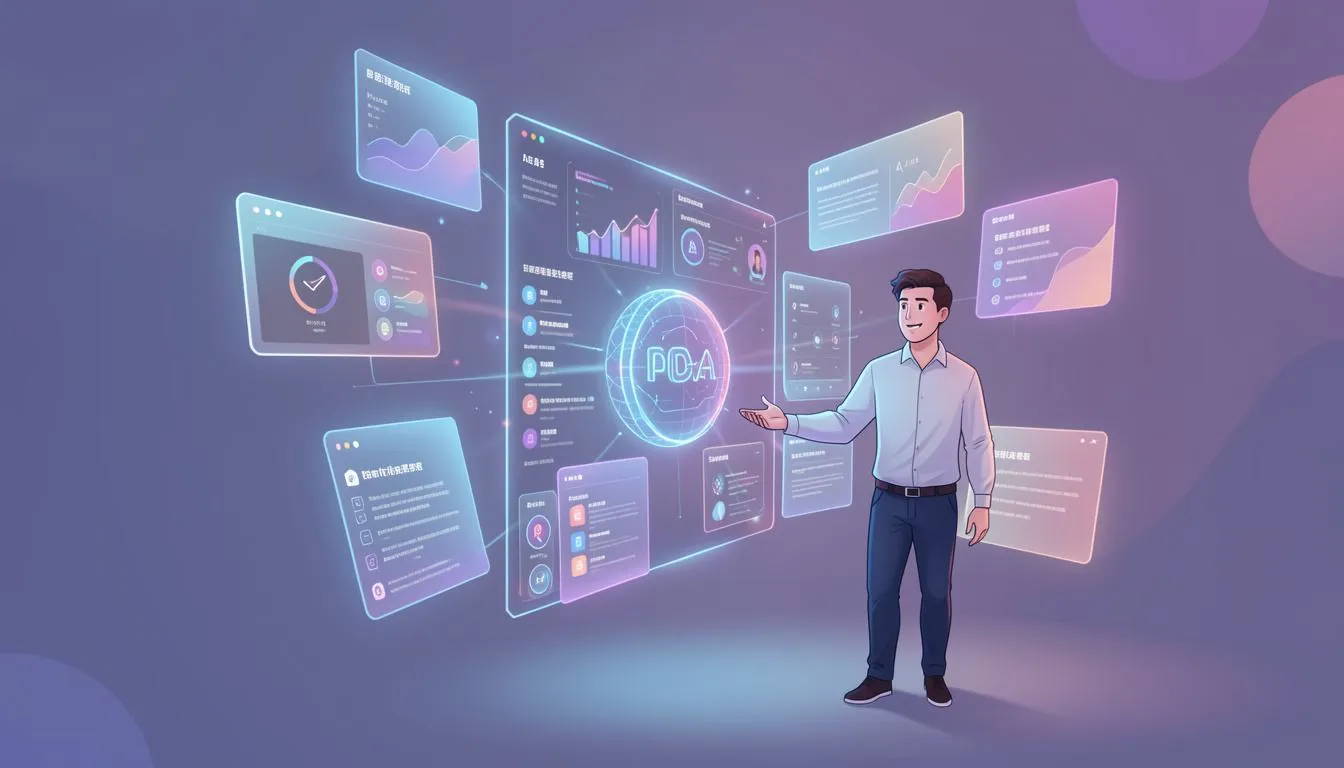
“Vibe Coding” & the Era of Disposable Software
Why buy SaaS when you can vibe it? Welcome to the age of 10-minute apps.
🔑 Key Takeaways
- “Vibe Coding” is redefining how products are built—from subscriptions to single-use software
- Disposable Software in 2026 favors speed, context, and intent, not feature depth
- Tools like Cursor AI and Bolt.new turn prompts into production-ready micro-apps
- Product teams are shifting from roadmap-heavy SaaS to Prompt-to-Product workflows
- Generative UI enables design, logic, and UX to emerge simultaneously
- Case study: Lovable (formerly GPT Engineer) proves non-technical founders can ship fast
- Platforms like SaaSNext help teams orchestrate AI agents across disposable workflows
Why Are You Still Paying for Software You Barely Use?
Be honest.
How many SaaS tools are you paying for right now…
that you used once last month?
That analytics dashboard you opened for a single report.
That internal tool you needed for one launch.
That niche $49/month product you forgot to cancel.
In 2026, this feels absurd.
Because today, instead of buying software, you can vibe it into existence, use it, and delete it—before the free trial even ends.
Welcome to the era of Disposable Software.
The Problem: SaaS Was Built for Stability, Not Speed
The Old Model Is Breaking
Traditional SaaS assumes:
- Long-term usage
- Repeated workflows
- Broad user bases
- Feature accumulation
But modern work looks nothing like that.
Product managers run:
- One-off experiments
- Temporary campaigns
- Rapid validations
Designers need:
- Custom tools for this project
- Not bloated platforms for every project
Solopreneurs just want:
- Something that works right now
What Happens If You Ignore This Shift?
Teams that cling to static tools face:
- Subscription bloat
- Slower execution
- Tool fatigue
- Decision paralysis
Worst of all?
You spend more time managing software than solving problems.
The Shift: From Software-as-a-Service to Software-as-a-Moment
This is the mental flip.
Instead of asking:
“What tool should we buy?”
Teams now ask:
“What do we need, right now, for this exact task?”
And then… they build it.
What Is “Vibe Coding,” Really?
Vibe Coding is the practice of:
- Describing intent in natural language
- Letting AI generate logic, UI, and structure
- Refining by feel, not specs
You don’t design screens first.
You don’t architect systems upfront.
You vibe the outcome.
Tools like:
- Cursor AI
- Bolt.new
- Lovable (GPT Engineer)
turn prompts into working products—fast.
Case Study: Lovable and the Rise of Software-on-Demand
Lovable (formerly GPT Engineer) pioneered a workflow that shocked the SaaS world.
What They Changed
Instead of:
- Writing specs
- Hiring devs
- Waiting weeks
Founders now:
- Describe the app they want
- Let AI scaffold frontend + backend
- Test immediately
- Ship—or discard
By 2026, this approach powers:
- Internal tools
- MVPs
- One-off workflows
Software-on-Demand replaces $50/month niche subscriptions.
Why Disposable Software Actually Makes More Sense
Let’s break it down.
1. Most Software Is Used Temporarily
Think about:
- Campaign dashboards
- Migration tools
- Launch checklists
These don’t need lifetime licenses.
They need:
- Accuracy
- Speed
- Zero maintenance
2. Maintenance Is the Real Cost
Every persistent tool creates:
- Updates
- Bugs
- Security risk
- Cognitive overhead
Disposable apps?
- No upgrades
- No legacy code
- No technical debt
Use. Solve. Delete.
3. Context Beats Features
A custom micro-app built for your use case will always beat:
- A generic SaaS tool with 200 features you don’t need
This is where Prompt-to-Product shines.
How Vibe Coding Works in Practice
Step 1: Define the Moment, Not the Product
Instead of:
“We need a tool.”
Ask:
- What decision are we making?
- What output do we need?
- When does this stop mattering?
This clarity fuels better prompts.
Step 2: Prompt the Outcome
With tools like Cursor AI or Bolt.new:
- Describe the workflow
- Define inputs and outputs
- State constraints
AI handles:
- Architecture
- UI scaffolding
- Logic wiring
Step 3: Let Generative UI Emerge
Generative UI means:
- Design adapts to data
- Interfaces are functional, not ornamental
- UX evolves with use
Designers don’t disappear—they curate the vibe.
Step 4: Ship, Use, Discard (or Keep)
If it works:
- Use it
If it doesn’t: - Regenerate
If it becomes critical:
- Harden it
- Or rebuild intentionally
Where Product Managers Win Big
For PMs, Disposable Software means:
- Faster validation
- Less stakeholder friction
- Real usage data early
Roadmaps become:
- Hypothesis-driven
- Lightweight
- Iterative
You stop planning tools—and start testing outcomes.
Designers: This Is Not the End of UX
It’s the evolution.
Designers now:
- Shape prompts
- Guide interaction flows
- Ensure emotional clarity
Instead of pixel perfection, you optimize:
- Intent alignment
- Cognitive ease
- Trust signals
Solopreneurs: The Ultimate Leverage
This is the biggest unlock.
One person can now:
- Build
- Test
- Iterate
- Monetize
Without:
- A dev team
- A SaaS stack
- Long-term commitments
Disposable Software turns ideas into action—fast.
The Hidden Risk (and How to Solve It)
Yes, there are risks:
- Tool sprawl
- Inconsistent logic
- Security gaps
This is where orchestration matters.
Enter SaaSNext
As teams adopt AI-driven, disposable workflows, they need:
- Coordination
- Governance
- Agent oversight
SaaSNext helps teams manage AI agents, workflows, and automation across fast-moving experiments—without slowing them down.
Explore their insights on AI automation and tooling:
Later-stage teams use SaaSNext to turn the best disposable tools into reusable, governed systems—only when it’s worth it.
Learn more: https://saasnext.in/
Answering the Big Question: Will SaaS Die?
No—but it will shrink.
SaaS will survive where:
- Persistence matters
- Scale is required
- Regulation demands it
But niche tools?
- Reports
- Dashboards
- Internal utilities
Those are becoming moments, not products.
The New Software Stack in 2026
It looks like this:
- AI builders (Cursor, Bolt, Lovable)
- Disposable micro-apps
- Orchestration platforms
- Human judgment on top
Static tools fade.
Dynamic systems win.
Final Thoughts: Stop Collecting Tools. Start Solving Problems.
The biggest shift isn’t technical.
It’s philosophical.
Software is no longer something you own.
It’s something you summon.
If you’re still buying tools for problems that last a week—you’re already behind.
If this sparked something:
- 👉 Share it with your product or design team
- 👉 Subscribe for more insights on AI-native product thinking
- 👉 Explore how SaaSNext helps teams scale AI workflows without chaos
The future isn’t better SaaS.
It’s better moments.